WWF reports threats on Canadian watersheds
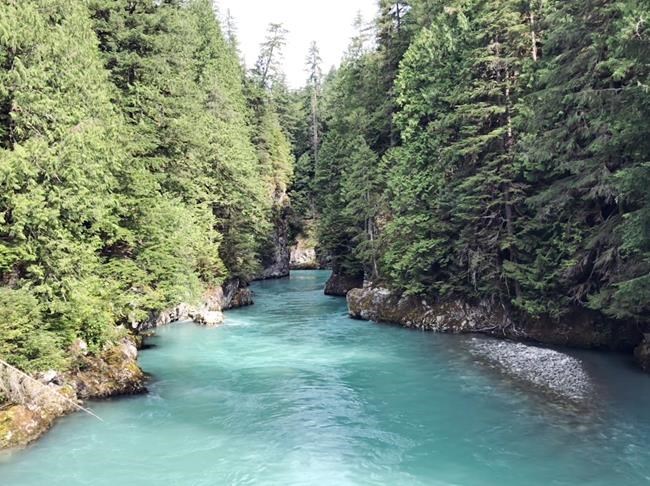
 WWF-Canada – A recent report on Canada’s watersheds from World Wildlife Fund Canada (WWF-Canada) showed Canadian watersheds face a series of significant threats, though the data was not sufficient to draw conclusions regarding their overall heath.
The watersheds were assessed on their levels of pollution, habitat loss, habitat fragmentation, overuse of water, invasive species, and the alteration other flows. Of the 25 assessed watersheds, four are classified as a very high threat level, seven have a high threat level, seven are moderately threatened, five are low, and two face a very low threat.
The Assiniboine-Red watershed in southern Manitoba was classified as very highly threatened due to its high levels of pollution, habitat loss and fragmentation, and overuse of water. The watershed was also ranked as highly threatened by climate change. The Assiniboine-Red watershed stretches from south of Winnipeg to west of Saskatoon, and consist of four sub-watersheds: Assinibone, Red, Qu’appelle and Souris, all of which are considered very highly threatened.
According to the report, pollution in the watershed is very high due to agricultural runoff, pipeline leaks and pollution from surrounding municipal and industrial sites. Land developed for agriculture and other purposes has led to “very high” levels of habitat loss, while roads, railways and dams all contribute to a “very high” degree of habitat fragmentation.
However, the report said the overall health of the watershed could not be determined due to lack of data. The water flow and water quality were deemed as fair, but data on fish and benthic invertebrates was considered insufficient for conclusions.
The South Saskatchewan watershed also faced very high threat, with agricultural runoff and pollution from nearby municipal and industrial sites creating the greatest concern. Pipeline leaks are also a concern in three of the four sub-watersheds. Roads, railways and dams create very high levels of habitat fragmentation across the watershed, while overuse of water is also very high.
Data was sufficient enough to conclude the South Saskatchewan watershed is in good condition, despite the high risk factors. Water quality earned an overall score of good. Three of the four sub-watersheds scored either good or very good, with Red Deer scoring fair.
The report concludes there is a “pronounced lack of available and accessible data on the health of watersheds” the WWF attempted to assess, which makes drawing conclusions difficult. Canadian watersheds face “a series of significant threats” which could “jeopardize the health of water resources that provide invaluable wealth across the country,” which underscores the need for useful data.