Climate change effects “irreversible”, says new UN report
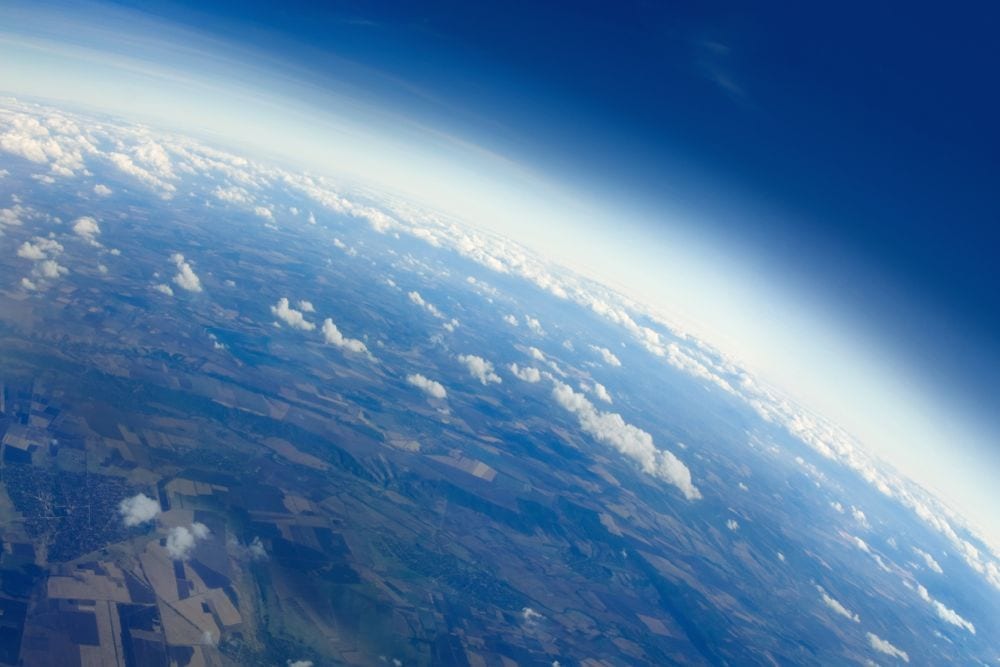
(AleksandarGeorgiev/E+/Getty Images)
United Nations – A newly released report from the United Nations (UN) warns that the severe effects of climate change are now present and without immediate action, they will likely become worse.
In the latest Intergovernmental Panel on Climate Change (IPCC) report released on Feb. 28, scientists say human-induced climate change is causing dangerous and widespread disruption in nature and affecting the lives of billions of people around the world, despite efforts to reduce the risks. People and ecosystems least able to cope are being hardest hit.
“This report is a dire warning about the consequences of inaction,” said Hoesung Lee, Chair of the IPCC. “It shows that climate change is a grave and mounting threat to our wellbeing and a healthy planet. Our actions today will shape how people adapt and nature responds to increasing climate risks.”
The report, titled Climate Change 2022: Impacts, Adaptation and Vulnerability was approved on Feb. 27 by 195 member governments of the IPCC, through a virtual approval session that was held over two weeks starting on Feb. 14.
The world faces unavoidable multiple climate hazards over the next two decades with global warming of 1.5°C (2.7°F). Even temporarily exceeding this warming level will result in additional severe impacts, some of which will be irreversible. Risks for society will increase, including to infrastructure and low-lying coastal settlements.
Increased heatwaves, droughts and floods are already exceeding plants’ and animals’ tolerance thresholds, driving mass mortalities in species such as trees and corals. These weather extremes are occurring simultaneously, causing cascading impacts that are increasingly difficult to manage. They have exposed millions of people to acute food and water insecurity, especially in Africa, Asia, Central and South America, on small islands and in the Arctic.
To avoid mounting loss of life, biodiversity and infrastructure, ambitious, accelerated action is required to adapt to climate change, at the same time as making rapid, deep cuts in greenhouse gas emissions. So far, progress on adaptation is uneven and there are increasing gaps between action taken and what is needed to deal with the increasing risks, the new report finds. These gaps are largest among lower-income populations.
“This report recognizes the interdependence of climate, biodiversity and people and integrates natural, social and economic sciences more strongly than earlier IPCC assessments,” said Lee. “It emphasizes the urgency of immediate and more ambitious action to address climate risks. Half measures are no longer an option.”
Scientists pointed out that climate change interacts with global trends such as unsustainable use of natural resources, growing urbanization, social inequalities, losses and damages from extreme events and a pandemic, jeopardizing future development.
However, they also suggested ways to limit the effects of climate change.
“By restoring degraded ecosystems and effectively and equitably conserving 30 to 50 per cent of Earth’s land, freshwater and ocean habitats, society can benefit from nature’s capacity to absorb and store carbon, and we can accelerate progress towards sustainable development, but adequate finance and political support are essential,” said IPCC Working Group II Co-Chair Hans-Otto Pörtner.
The report also provided a detailed assessment of climate change impacts, risks and adaptation in cities, where more than half the world’s population lives. It suggested the use of green buildings, reliable supplies of clean water and renewable energy and sustainable transport systems that connect rural and urban areas.
However, at current warming levels, it will become much harder for humanity to withstand climate change’s worst effects.
“The scientific evidence is unequivocal: climate change is a threat to human wellbeing and the health of the planet. Any further delay in concerted global action will miss a brief and rapidly closing window to secure a liveable future,” said Pörtner.