Below-quality air breathed in by billions: WHO
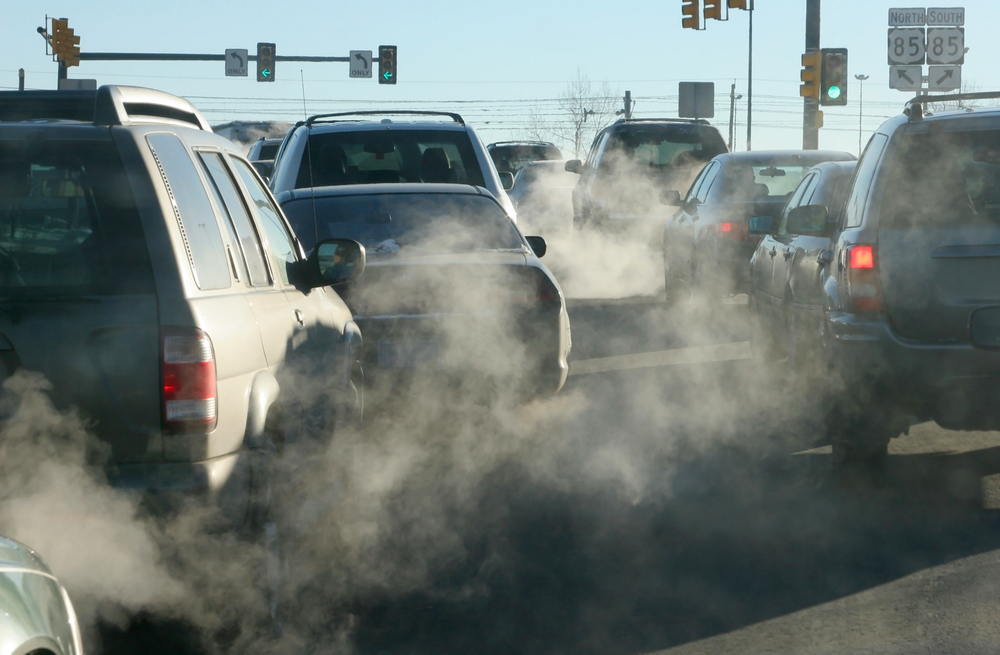
Two-thirds of voters in the last election cast their ballot for a party that supported or promoted a price on pollution. Photo: E+/Getty Images
World Health Organization – An update to the World Health Organization’s (WHO) air quality database revealed that 99 per cent of the world’s population is breathing air below its standards.
Released in the lead-up to World Health Day (April 7), the 2022 update of the air quality database introduced, for the first time, ground measurements of annual mean concentrations of nitrogen dioxide (NO2), a common urban pollutant and precursor of particulate matter and ozone. It also included measurements of particulate matter with diameters equal or smaller than 10 micrometres (PM10) or 2.5 micrometres (PM2.5). Both groups of pollutants originate mainly from human activities related to fossil fuel combustion.
Particulate matter, especially PM2.5, is capable of penetrating deep into the lungs and entering the bloodstream, causing cardiovascular, cerebrovascular (stroke) and respiratory impacts. There is emerging evidence that particulate matter impacts other organs and causes other diseases as well.
NO2 is associated with respiratory diseases, particularly asthma, leading to respiratory symptoms (such as coughing, wheezing or difficulty breathing), hospital admissions and visits to emergency rooms.
“Current energy concerns highlight the importance of speeding up the transition to cleaner, healthier energy systems,” said Dr. Tedros Adhanom Ghebreyesus, WHO Director-General. “High fossil fuel prices, energy security, and the urgency of addressing the twin health challenges of air pollution and climate change, underscore the pressing need to move faster towards a world that is much less dependent on fossil fuels.”
Among the 117 countries monitoring air quality, the air in 17 per cent of cities in high-income countries falls below the WHO’s Air Quality Guidelines for PM2.5 or PM 10. In low- and middle-income countries, air quality in less than one per cent of the cities complies with WHO recommended thresholds.
Globally, low- and middle-income countries still experience greater exposure to unhealthy levels of PM compared to the global average, but NO2 patterns are different, showing less difference between the high- and low- and middle-income countries.
About 4,000 cities/human settlements in 74 countries collected NO2 data at ground level. Aggregated, their measurements found that only 23 per cent of people in these places breathe annual average concentrations of NO2 that meet levels in the recently updated version of WHO’s Air Quality Guidelines.
“After surviving a pandemic, it is unacceptable to still have seven million preventable deaths and countless preventable lost years of good health due to air pollution. That’s what we’re saying when we look at the mountain of air pollution data, evidence, and solutions available. Yet too many investments are still being sunk into a polluted environment rather than in clean, healthy air,” said Dr. Maria Neira, WHO Director, Department of Environment, Climate Change and Health.
WHO continued its call for a rapid intensification of actions to adopt or revise and implement national air quality standards according to its latest Air Quality Guidelines. Those include: monitoring air quality and identifying sources of air pollution; supporting the transition to exclusive use of clean household energy for cooking, heating and lighting; building safe and affordable public transport systems and pedestrian- and cycle-friendly networks; and implementing stricter vehicle emissions and efficiency standards.