
Less intensive grasslands management better for soil/diversity
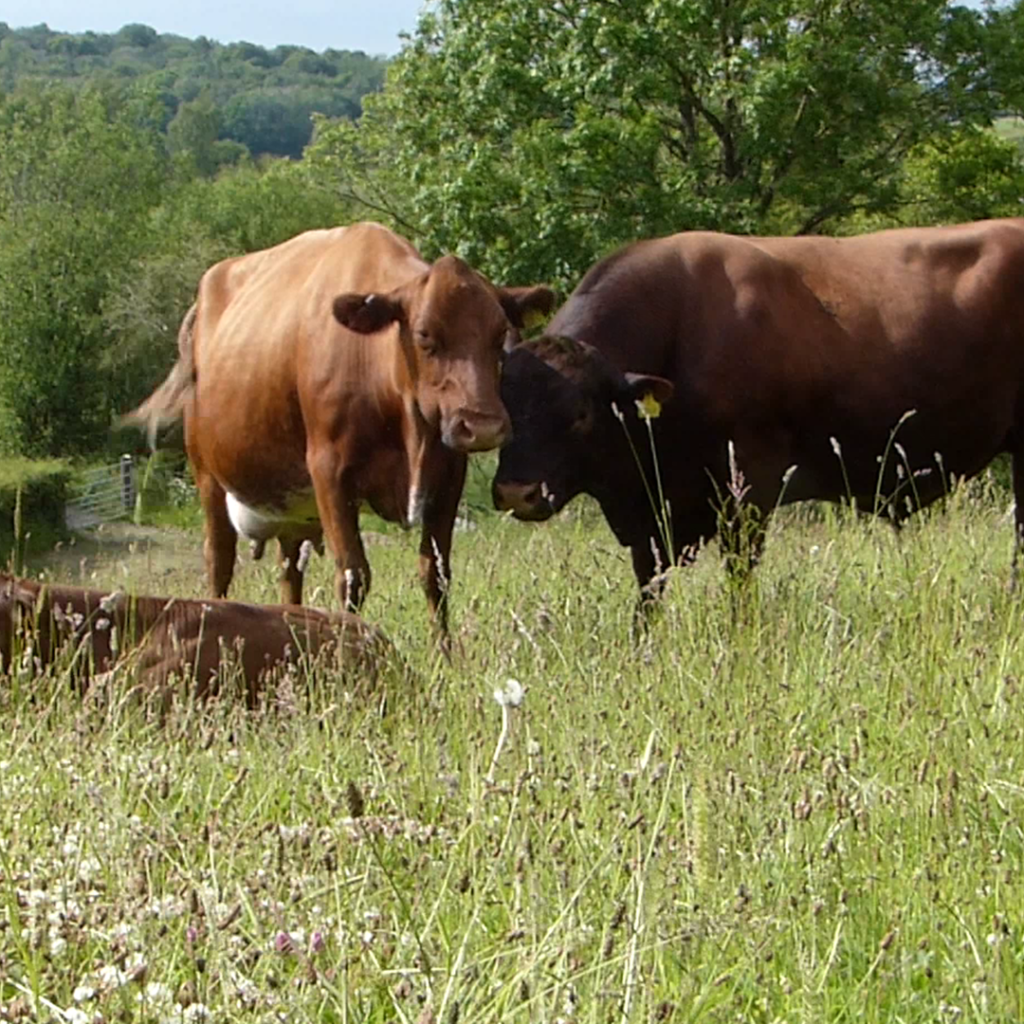
The study shows that less intensively managed grassland has greater plant diversity. Pictured are cows fed on pasture in Arnside, Cumbria. Photo: Markus Wagner.
UK Centre for Ecology and Hydrology – Less intensive grasslands management leads to better soil health and an average of 50 per cent more plant species than intensively managed grasslands, according to new research conducted in Great Britain by the United Kingdom Centre for Ecology & Hydrology (UKCEH). The new study could help farmers increase both biodiversity and soil health, including the amount of carbon in the soil of the British countryside.
Grazed grassland makes up a large proportion of the British countryside and is vital to farming and rural communities. This land can be perceived as only being about food production, but this study gives more evidence that it could be key to increasing biodiversity and soil health.
Researchers at the UKCEH studied 940 plots of grassland, comparing randomly selected plots which sampled the range of grassland management across Great Britain; from intensively-managed land with a few sown grassland species and high levels of soil phosphorus (indicating ploughing/reseeding and fertiliser and slurry application), to grassland with higher levels of species and lower levels of soil phosphorus. The plots were sampled as part of the UKCEH Countryside Survey, a nationally representative long-term dataset.
The study, published in the journal Ecology Solutions and Evidence, counted the number of plant species in sample areas and analysed co-located soil samples for numbers of soil invertebrates and carbon, nitrogen and phosphorus levels.
Researchers found that less intensively managed grassland had greater diversity of plant species, and this correlated with better soil health, such as increased nitrogen and carbon levels and increased numbers of soil invertebrates such as springtails and mites.
In the study, the researchers used the same methods to examine the plant diversity and soil from grasslands on 56 mostly beef farms from the Pasture Fed Livestock Association (PFLA) — a farmer group that has developed standards to manage and improve soil and pasture health.
The researchers found that plots of land from PFLA farms had greater plant diversity — on average an additional six plant species, including different types of grasses and herbaceous flowering plants, compared to intensively farmed plots from the Countryside Survey. In addition, grassland plants on these farms were often taller, a quality which is proven to be beneficial to butterflies and bees.
Pasture Fed Livestock Association grasslands did not yet show increased soil health, but the research indicated that this may be due to a time lag between increasing numbers of plant species and changes in soil health, particularly on farms which have been intensively managed in the past.
“We’ve shown for the first time, on land managed by farmers for production, that a higher diversity of plants in grasslands is correlated with better soil health,” said lead author Dr. Lisa Norton, Senior Scientist at UKCEH.