Benefits of weekend rains depends on crop
Corn, soybeans mature, winter wheat germinating
By Glen Hallick, WeatherFarm
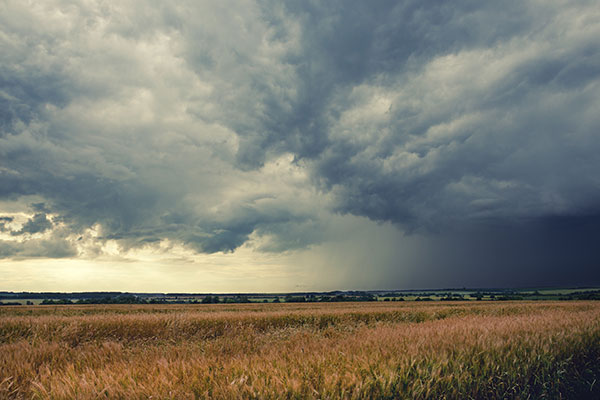
WINNIPEG (WeatherFarm) – Rains over the weekend of Sept. 23 and 24 had a mixed effect on crops in the United States Northern Plains, according to Drew Lerner, president of World Weather Inc. in Overland Park, Kan.
“Amounts varied quite a bit. We saw one-to-three-inch totals in portions of North Dakota and northern South Dakota, as well as parts of Minnesota,” Lerner said, noting that a small handful of areas in those states received more than three inches.
He added that Montana received upwards of one to two inches over that weekend, but 2/10ths to 8/10ths of an inch were much more common.
“The rain that occurred [Sept. 23 and 24] was good in easing dryness in quite a few areas,” Lerner said, but he added it will have virtually no impact on the region’s corn and soybean crops, as they are well mature.
“The moisture was needed to take some of the stress off the more immature crops,” he continued.
“From a winter wheat perspective, it was a very important rain event. The drought has not ended, the drought has been eased. For those [farmers] putting seed into the ground, this was a very good event in stimulating seed germination and ultimately crop emergence and establishment will improve,” Lerner said, stressing more rain will still be needed in the coming weeks.
Lerner forecast trace amounts to up to 4/10ths of inch of rain during Sept. 25 to the morning of the next day for the eastern parts of the Dakotas plus portions of Minnesota. Otherwise the rest of the Northern Plains would miss out. But come Sept. 27 another system is expected to drop rain over Montana and into Manitoba, bringing upwards to a half inch. That is to be followed by yet another system over the Northern Plains during the weekend of Sept. 30 and Oct. 1.
He also said temperatures for the Northern Plains will quickly dip, with a killer frost likely during the first week of October, calling it “a coup d’grace in ending the growing season.