
Heatwaves cause more calls for ambulances: study
Source: Griffith University
Griffith University – Heatwaves are never good news for agricultural production, but extended periods of high temperatures can also have consequences for the healthcare system, according to new research from Griffith University in Australia.
The study, published in the Australian and New Zealand Journal of Public Health, used a systematic review and meta-analysis to gauge the number of ambulance callouts in Australia due to heatwaves.
Lead author and senior research assistant Mehak Oberai from Griffith’s School of Medicine and Dentistry said the heatwaves are known as silent killers and have been the cause of death for more people in Australia than any other natural disaster.
“Not only does this lead to increased mortality, but also leads to an increase in morbidity with added pressure on the healthcare system,” Oberai said.
“We found a statistically significant increase in the likelihood of ambulance callouts for all causes by 10 per cent.”
The study also found an increase in the likelihood of callouts by five per cent for cardiovascular causes, and the rate and risk of ambulance callouts increase with the increasing intensity of heatwaves.
Co-author Dr. Aaron Bach said this data will undoubtedly have an impact on Australia’s public health system, especially the number of heatwave days set to increase.
“As these searingly hot days continue across the country, we’ll see a further rise in the likelihood of ambulance callouts which will shine a spotlight on the real burden that heatwaves place on our already stressed health system,” Bach said.
“This research is further proof of the need to be proactive in this space and establish research initiatives and holistic heat health awareness campaigns that encompass individuals, the community and the healthcare system to create a more resilient Australia.”
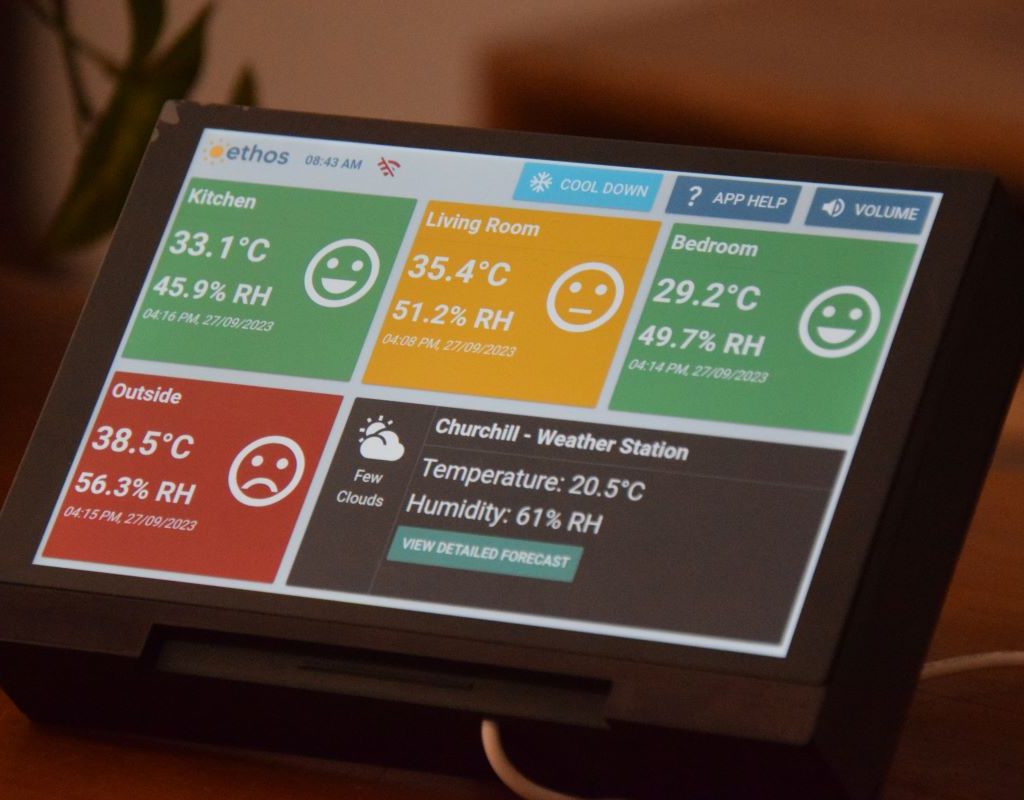
Dr. Shannon Rutherford, a co-author on this paper, also leads Griffith University’s Ethos project, an extreme heat warning system for older Queenslanders.
“This new study feeds into the work Ethos has underway which aims to provide in-home solutions to allow older people and their careers to monitor heat exposure, identify heat risks in their home, and respond to those risks using accessible cooling strategies,” she said.