
Estuaries lost to urban, agricultural lands
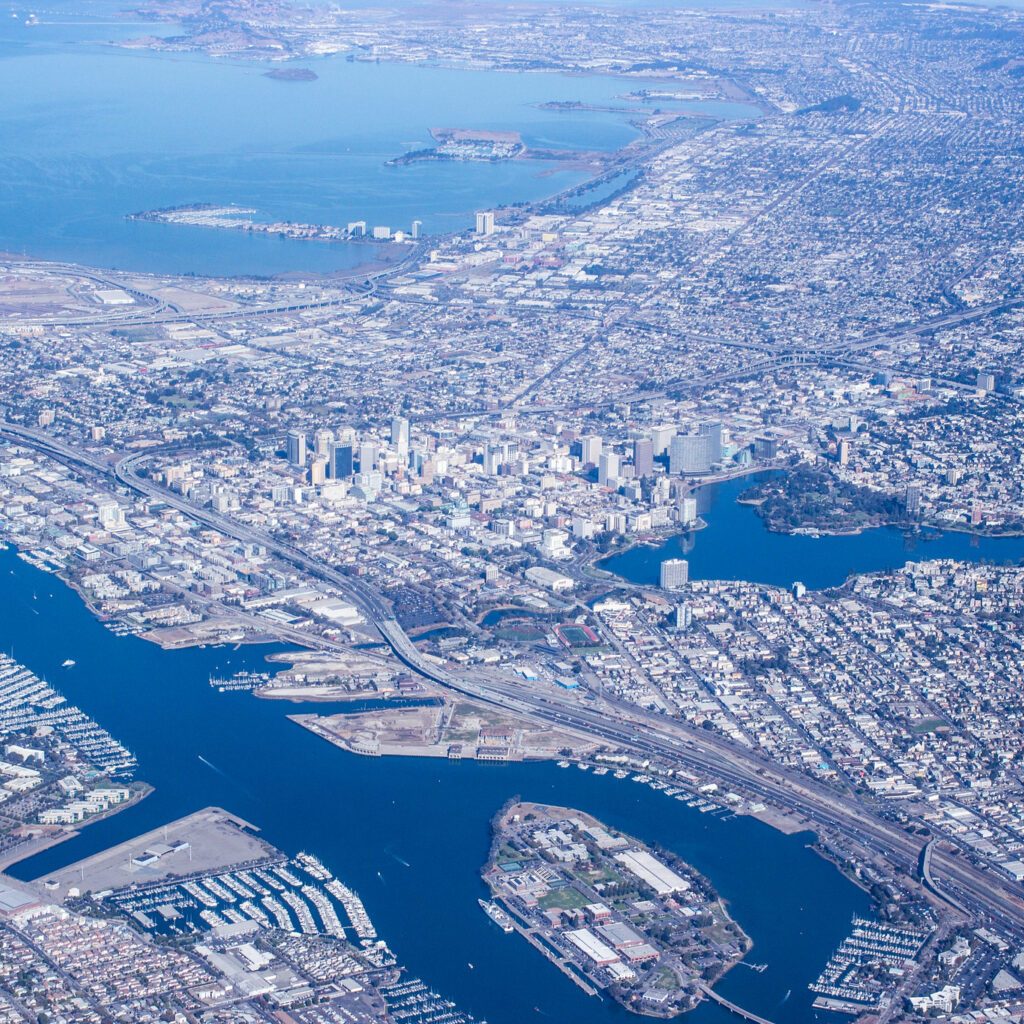
Humans have converted about 250,000 acres of estuary habitats to urban or farm land over the last 35 years, a new study in Earth’s Future reports. The study also found an association between a country’s income level and how rapidly it was converting estuaries to other uses. Credit: Dan Brekke/flickr
American Geophysical Union – Dams and land reclamation activities worldwide converted more than 253,000 acres of estuary — wetland ecosystems where freshwater rivers meet saline ocean waters — to urban land or agricultural fields over a 35-year span, with most land conversion and estuary loss in rapidly developing countries, a new study found.
Estuaries provide habitat for wildlife, sequester carbon, and serve as hubs for transport and shipping. Estuary degradation and loss can lower water quality, shrink and fragment critical habitats and remove coastlines’ protection from storms.
“Estuary change is really interesting, especially in the 20th century, because estuaries have been altered by humans by the construction of estuarine dams and land reclamation,” said Guan-hong Lee, a geoscientist at Inha University in South Korea who led the study. “When estuaries are modified by humans, the consequences for land loss are surprisingly huge.”
Countries with significant modifications to their estuaries could serve as a warning of sorts for developing countries, and acting soon to conserve estuaries is an opportunity to protect developing countries’ environmental and economic benefits, Lee added.
Using Landsat remote sensing data from 1984 to 2019, the researchers identified 2,396 estuaries around the world that were large enough to measure with satellite imagery (those with mouths wider than 90 metres). The team then measured the change in estuarine surface area and compared those changes to where land reclamation and dam building had occurred.
For the studied estuaries, between 1984 and 2019, humans converted 1,027 square kilometres (253,800 acres) of estuary to urban or agricultural lands in a process called land reclamation, the study found. Land reclamation, which can include drying land and adding sediment to build land, accounted for 20 per cent of estuary loss. Globally, humans altered 44 per cent of the estuaries with dams and/or land reclamation, the study found.
Middle-income countries lost the most estuarine area during the study period, and almost 90 per cent of all land reclamation (921 square kilometres or 227,600 acres) occurred there, too. “As a country is transitioning to middle-income, they tend to increase development,” Lee said.
High-income countries lost little estuary area over the study period. In most cases, that’s because estuary alteration occurred decades earlier when they were in development, Lee said. In those countries today, the focus has moved to environmental conservation efforts.
The study was published in the American Geophysical Union’s (AGU) journal Earth’s Future.