
Pea, lentil outlooks have some positive signals – Penner
| 3 min read
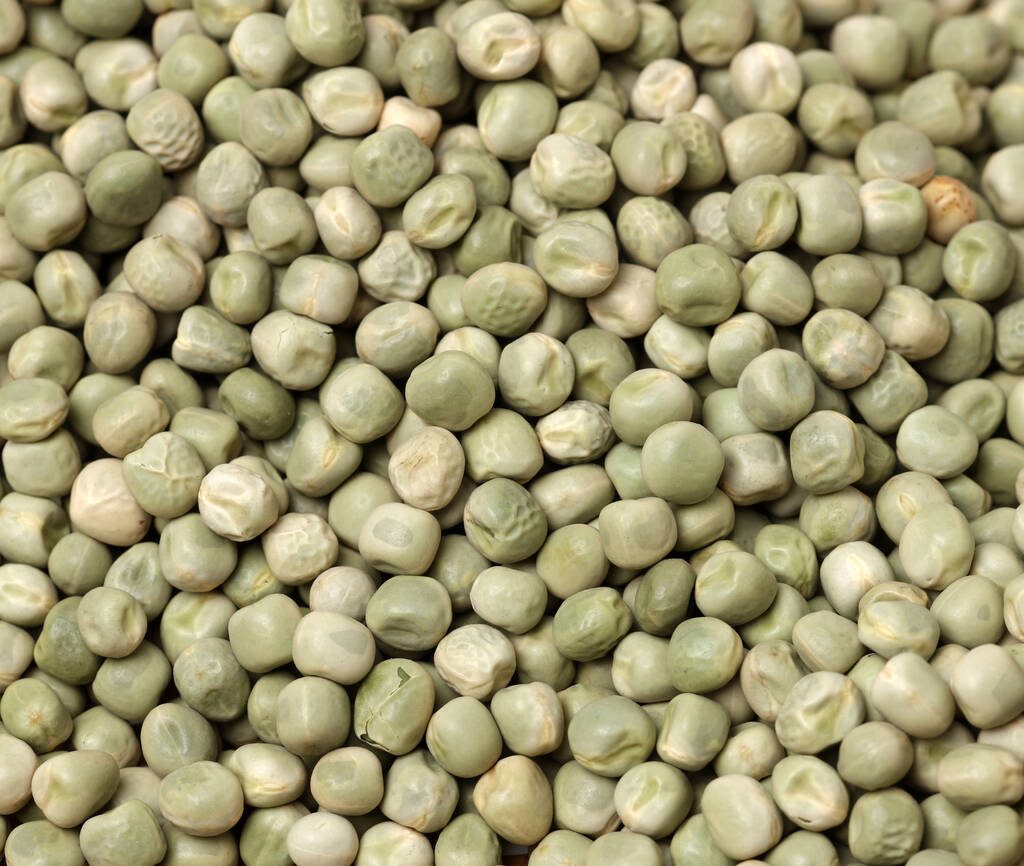
Glacier FarmMedia — As pulse growers consider what to plant this spring, Chuck Penner of LeftField Commodity Research said there is some optimism in the Canadian pulse market. Penner gave a presentation at the Saskatchewan Pulse Growers meeting in Swift Current on Feb. 4.
“We were looking at some pretty difficult circumstances,” Penner said, referencing the trade issues Canada had with China and India over the last year, and emphasized the cyclical nature of the markets.
“Right now, I believe we are at the low part of the cycle, which means we will be coming up the other side. It’s just a matter of timing,” he said.
Penner said Canadian pulse growers had one of their biggest harvests, but not necessarily due to the most planted area in five years nor the August rains.
“It was the mild summer,” he stated. “It’s the temperatures that gave us the big yields this year.”
Export competition
Penner cautioned that foreign competitors such as Russia also had sizeable pulse crops with it gleaning about five million tonnes of peas alone.
On the positive side, he said China is set to remove its 100 per cent tariffs on Canadian pea imports come March 1.
“We’ll see how much of an appetite they have left for peas,” Penner said, noting that China’s pea inventories are at 20-year lows.
China/India
He said it’s very likely China will continue buying Russian peas for feed and purchase the better quality Canadian peas for fractionation.
Although India ended its duty-free period on its pea imports in November, as a means to boost domestic prices, Penner said Canadian bids surprisingly haven’t declined.
He forecast China and India to each import about 800,000 tonnes of Canadian peas in 2025/26. However, he lamented that it will still leave large ending stocks.
Penner based his estimate that on average pea yields of 35 bu./ac., down from 42.3. He placed planted area at 3.15 million acres compared to 3.51 million in 2025/26. That put 2026/27 production at 2.94 million tonnes versus 3.93 million this year.
Lentils
As with peas, Canadian growers reaped a large lentil crop but so did its competitors, including Australia at about 1.91 million tonne, Penner said.
“We’re not the only show in town anymore,” he noted, but cautioned that other major lentil-producing countries such as Turkey, the United States, Kazakhstan are set to plant less in 2026/27.
The price differences between Canada and Australia should help the former’s exports. Penner cited Canadian red lentils at about US$350 per tonne, versus US$450 for Australian reds.
Although India’s lentil imports are off to a good start, he stressed their domestic prices are at multi-year lows. Currently, India has a 10 per cent import duty on lentils, and Penner warned that could increase.
If India were to triple its levy to 30 per cent, he’s confident that won’t hurt Canada’s lentils exports to the country.
He said the best hope for Canadian lentils in 2026/27 is for increased exports, farmers to reduce their acres and to get average yields.
Penner said if lentil yields fall from 1,722 pounds per acre this year to an average of 1,213 in 2026/27, coupled with reduced planted acres of 3.90 million compared to 4.38 million this year, that will help reduce ending stocks.