
Brazil to raise soy sales to China after record shipments in 2025, consultancy says
| 1 min read
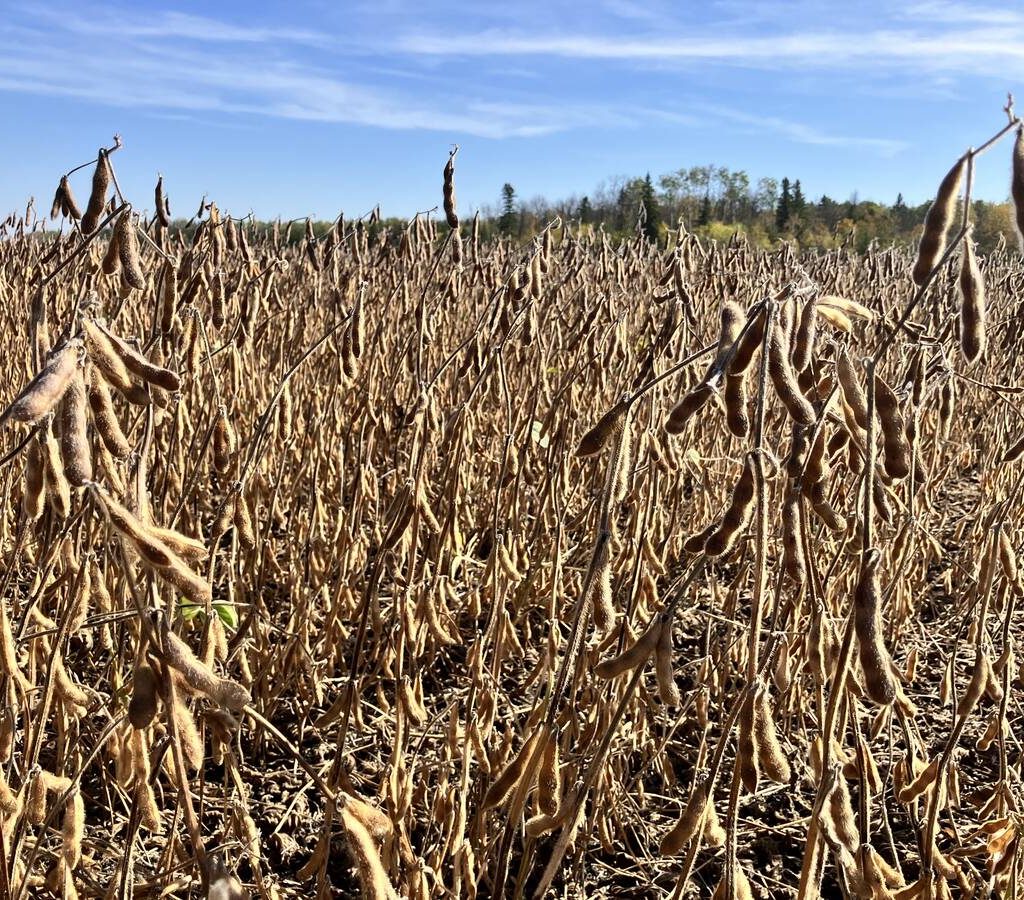
Last year, lower U.S. soy sales to China allowed Brazil, the world’s largest soybean producer and exporter, to ship 85.4 million metric tons to China, an 18 per cent increase from 2024, according to Brazilian government data. Photo: Greg Berg
Sao Paulo | Reuters — Brazil, which is reaping a record soy crop this year, may increase exports of the oilseed to China in 2026 amid lower Argentine shipments and in spite of stronger competition from U.S. farmers, an analyst at Hedgepoint Global Markets said on Thursday.
Last year, lower U.S. soy sales to China allowed Brazil, the world’s largest soybean producer and exporter, to ship 85.4 million metric tons to China, an 18 per cent increase from 2024, according to Brazilian government data.
Though Hedgepoint has not released an exact forecast for Brazilian shipments to China, its bet is that Brazil’s soy sales to China may increase even after President Donald Trump said the world’s biggest importer would buy more beans from U.S. farmers this year.
China is expected to raise imports by 4 million metric tons to 112 million tons in 2026, according to Hedgepoint, creating demand that either Brazil or the U.S. could supply.
“Argentina will export less this year because its crop is smaller,” said Luiz Fernando Roque, a Hedgepoint Global analyst. “That already puts another 4 or 5 million tons in the hands of the Americans or Brazil.”
Regarding Argentina specifically, aside from a smaller projected soy crop, the country tends to focus on domestic processing to make soymeal and oil, Roque said.
In 2025, the U.S. share of China’s soybean imports fell to 15 per cent, from 21 per cent the year before, while Brazil’s rose to 73.6 per cent, up from 71 per cent in 2024, according to Hedgepoint data.
Argentina’s share jumped to seven per cent, from four per cent, according to Chinese government data.