AI model could revolutionize flood forecasting
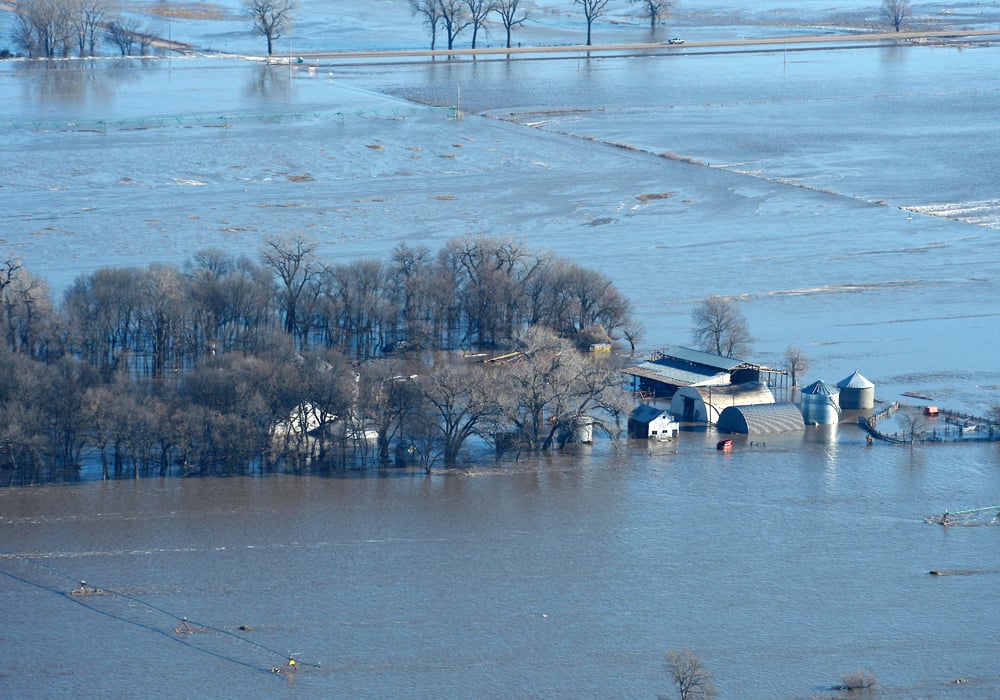
The University of Minnesota is part of an effort to develop improved flood forecasting. (Reuters)
University of Minnesota — New paired studies from the University of Minnesota Twin Cities showed that machine-learning can improve the prediction of floods. The studies, published in Water Resources Research and the Proceedings of the IEEE International Conference on Data Mining, demonstrated how “knowledge-guided” artificial intelligence can assist forecasters in saving lives and protecting infrastructure as the frequency of extreme weather increases.
The research was a collaboration among the University of Minnesota’s College of Science and Engineering plus its College of Food, Agricultural and Natural Resource Sciences, as well as Pennsylvania State University.
Currently, forecasters at the National Weather Service rely on physics-based models that require manual, real-time adjustments based on field observations. This process can be extremely labour-intensive and difficult to scale during weather emergencies.
This new model combines elements of the traditional models with newer machine-learning techniques that automatically learns the state of a river’s watershed from observed data. This eliminates the need for time-consuming manual recalibration. This hybrid approach can predict streamflow and flood levels with greater accuracy than current methods used across the United States.
“The knowledge-guided approach allows the model to learn from real-world data while still respecting the fundamental laws of hydrology,” said Prof. Vipin Kumar, a senior author on the papers. “This is not just about improving statistical accuracy. It is about providing reliable, actionable forecasts that emergency managers and forecasters can trust when making high-stakes decisions.”
While exclusively using machine learning approaches have been explored in the past, the traditional tools are still outperforming those models. This new research uses knowledge-guided machine learning (KGML), an approach pioneered by researchers at the University of Minnesota, to bridge that gap and achieve higher accuracy without requiring manual adjustments.
“We have already seen increasing floods within the last few decades in many parts of Minnesota, including several flood records set within the last couple of years,” said Zac McEachran, a research hydrologist. “It’s vital that we improve our ability to predict these events so we can protect lives and infrastructure.”
The research team is now focused on further improving the model and making it operational with the goal of putting these tools directly into the hands of forecasters to assess future risks in real-time.