BASF announces $27M Saskatoon canola breeding facility expansion
| 2 min read
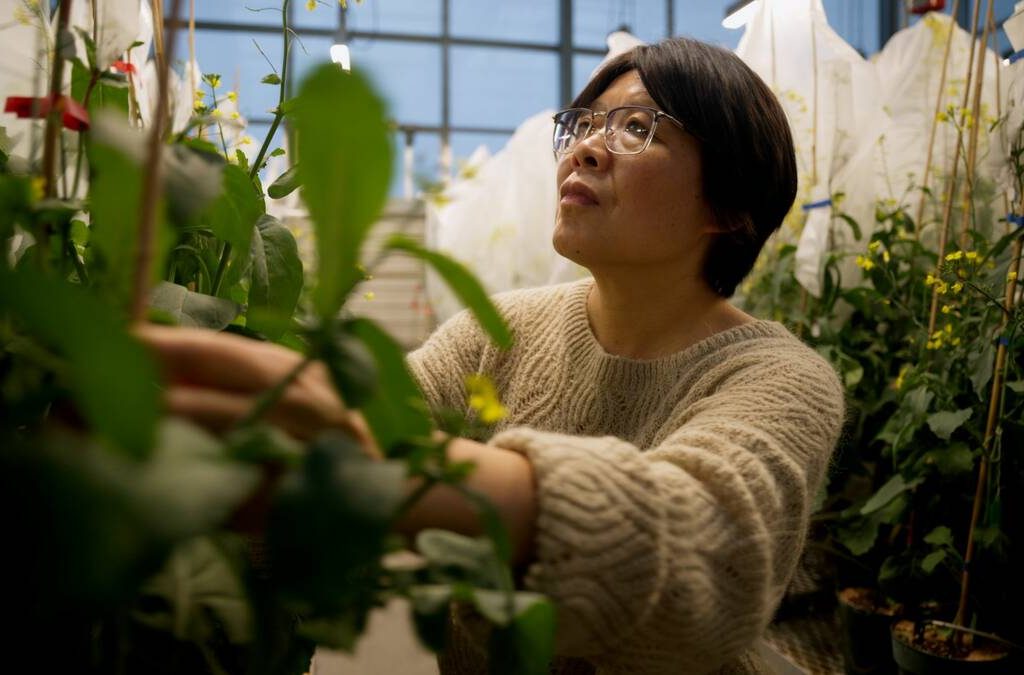
A glasshouse is a facility that enables researchers to develop experimental climates. BASF’s will be designed to support future canola hybrid breeding programs. Photo: Supplied
Glacier FarmMedia – One of the world’s largest canola breeders is planning a $27 million expansion to speed the development of new canola varieties.
“This significant investment strengthens our ability to bring forward the next generation of high-performing hybrids, supporting yield gains, agronomic resilience and long-term success for Canadian farmers,” Leta LaRush, vice-president of BASF Agricultural Solutions Canada, said today in a news release.
BASF announced the expansion of the Canola Breeding Centre of Innovation in Saskatoon. Construction will begin this spring with completion expected by the end of 2027.
WHY IT MATTERS: With climate change driving weather unpredictability, canola producers need varieties that survive better and yield more.
The expansion will add advanced infrastructure, including precision-controlled growth systems and a research-grade glasshouse, the company said in the news release. These will increase breeding capacity and shorten innovation cycles, it added.
“These enhancements are critical to implementing genomic selection at scale, enabling faster, more precise breeding decisions and accelerating genetic gain across all InVigor programs,” BASF said.
The new glasshouse – a facility that enables researchers to develop experimental climates — is designed to support future hybrid breeding programs.
The centre will focus on the development of new InVigor hybrid canola varieties to better withstand changing environmental pressures and accommodate growing global demand.
Saskatchewan agriculture minister David Marit said the announcement was great news.
“It just shows the research that’s happening here and the confidence of a company like BASF to invest here. They see opportunities around the research and looking at genetics,” Marit told Glacier FarmMedia.
“You look at where the canola industry is going just in the least 15 years with new varieties, new higher oil contents, straight cut varieties, higher drought tolerant varieties — it just adds to what’s going on here in the province.”
-With files from Karen Briere