
SaskSPCA to open safe haven for pets when owners face crisis
Asquith centre aims to keep animals safe until reunited with their humans
| 5 min read
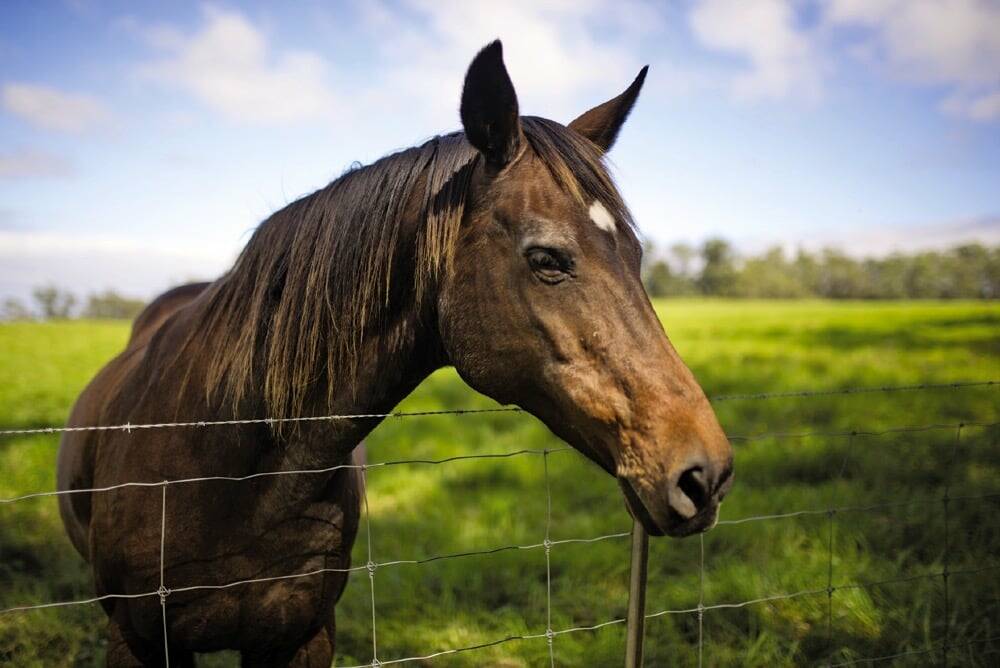
While Saskatchewan’s Emergency Animal Care Centre doesn’t have space for large animals at its new facility, the organization is working with the Saskatchewan Horse Federation on a pilot project designed for the safekeeping of horses. Photo: HaizhanZheng/iStock/Getty Images
Glacier FarmMedia – A rural community in Saskatchewan is getting a centre that will benefit everyone in the province, known as the Emergency Animal Care Centre.
With this centre, the Saskatchewan SPCA aims to fill gaps in the province regarding care for animals during times of crisis or for people who need help. The project has been underway since 2024.
“We know that many SPCA humane societies … are already overburdened, their staff is overworked and they have very limited resources. And so, our hope is that we will be able to provide additional supports,” said Josh Hourie, SaskSPCA’s communications coordinator.
Use of the centre
There are many situations that may cause a person to seek shelter for their pets, such as domestic violence, hospital stays, natural disasters and more, which may cause them to be unable to care for their animals.
For those who are experiencing domestic violence, pets can present an issue, as people may be hesitant to leave when there is a pet involved, due to concerns regarding the safety of their pet, or the abuser may use their pet as a point of manipulation.
“One area that we are really concerned about is animal safekeeping,” Hourie said.
“Unfortunately, our province has the highest rates of domestic violence in the country amongst the provinces, and a lot of work that we’ve been doing over the last decade or so is to provide additional supports to those individuals, and the Emergency Animal Care Centre will be able to provide care for animals.”
During natural disasters, such as wildfires or floods that force people to evacuate their homes, care is often needed for their animals as they may not have a safe space to stay.
The third function of the centre is referred to as “secure care,” which is to house animals seized or surrendered under the Animal Protection Act.
They won’t be providing a restriction on how long they will keep an animal at the centre. Instead, they want it to be open for as long as people need in order to escape their situation.
“Our hope is we’ll be able to care for the animals for as long as it takes to have their human find a safe setting and get back on their feet, and then we will reunite the people with their pets,” Hourie said.
The only exception to this is when the animals have been surrendered or seized.
Rural communities
The Emergency Animal Care Centre will be located in Asquith, Sask., which is near Saskatoon.
Hourie said this community was chosen because the SaskSPCA already owns property there, but there will also be benefits to the community.
Hourie said the rural municipality and nearby town councils have been very supportive of the centre.
Another benefit to being in a rural community is that it gives them the opportunity to expand, if necessary, in the future.
The goal overall, though, is to provide this service to the whole province.
Hourie said they are still working out the logistics on how they will serve the entire province, but there is currently a plan in place.
“The EACC will use a referral system, and we plan to set up a transportation network to bring animals here. We hope to work with other groups, such as law enforcement, SaskSPCA staff, veterinarians and possibly volunteers. Since our work is sensitive, we are creating procedures to keep everything confidential. This helps us make sure animals and their owners stay safe and protected while they are with us,” he said in an email.
Large breed animals
In a province like Saskatchewan, where rural communities are prevalent and agriculture is one of the biggest parts of the economy, providing safekeeping to large animals is an important part of the Emergency Care Centre.
While they will not have space for large animals at their location in Asquith, they have been working with the Saskatchewan Horse Federation on a pilot project designed for the safekeeping of horses.
“That will actually be a different situation, where the hope is that we will be able to provide grants to individuals to have their horses boarded at a safe facility,” Hourie says. “And so there are still many pieces of this puzzle to come together, and we’re kind of tackling it one piece at a time.”
Currently, there is no plan to include livestock such as cattle, unless there is specific interest expressed by the public.
“Right now, we are focusing on companion animals like cats and dogs to make sure our processes work well. Different animals have different needs, and caring for a cat or dog is very different from caring for cattle or goats. We are moving forward step by step and will adjust as needs and resources change,” Hourie said.
Future
The fundraising for this project started in 2024, with the goal of building in 2025. Some of the construction has started, such as the walls, roof and concrete floor.
Hourie says they are re-examining when the facility will be open due to factors such as inflation, fundraising and more.
“We’re hoping (to open) at some point in 2026, but due to rising construction costs and things of that nature, we are actually reviewing our budget and developing a plan going forward.”
Despite these challenges, Hourie said they are hopeful they will be able to continue raising funds for the project. There is a website, caringforpets.ca, that highlights the floor plans, descriptions of the facility and with a link to donate.
Looking to the future, Hourie hopes the Emergency Animal Care Centre will inspire other provinces to do something similar and follow in the footsteps of the SaskSPCA.
“We are going to work out the kinks and find best practices, and we are certainly more than willing to work with other organizations to develop similar facilities in other provinces. And maybe this is a cool opportunity for us to challenge other SPCAs or other animal welfare organizations to explore a facility like this in their province.”