
Dry bean breeding has paid off for farmers
Experts say they’ve seen the payoff in yield and farmer profit as better dry bean varieties have hit the scene in Manitoba and surrounding regions
| 4 min read
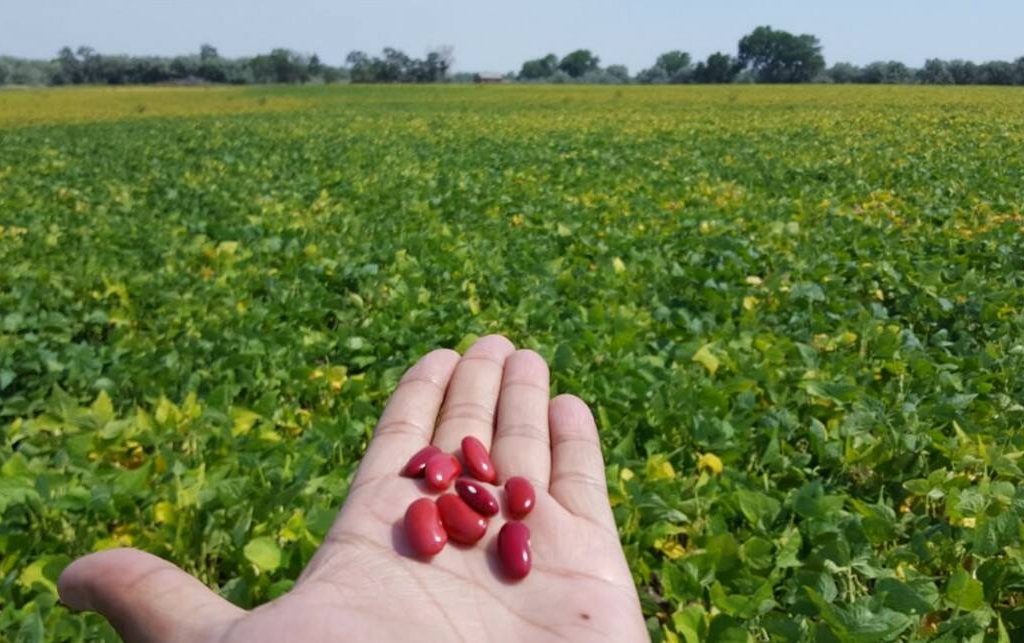
Improved bean varieties have led to better yields over the last several decades, according to Juan Osorno, a dry bean breeder and geneticist at North Dakota State University. Photo: Juan Osorno
Glacier FarmMedia – Dry beans, on balance, are giving Prairie farmers much better returns than decades past. Today’s varieties have better yields, less harvest cost and can be grown in new areas of Western Canada.
According to experts, farmers can thank genetic improvements for a lot of those gains.
WHY IT MATTERS: Manitoba dry bean acres saw a two-decade high in 2025 and a record area of pinto beans planted.
Juan Osorno, a dry bean breeder and geneticist at North Dakota State University, has seen the positive yield effects just south of the international border, even with today’s higher risks and tighter margins.
“In the last 80 years, we pretty much doubled it. We’re producing twice as many beans in the same acre,” he said. “Sixty per cent of those gains can be explained by better varieties.”
That lines up with trends provincial pulse specialist Dennis Lange has seen in Manitoba fields. New bean varieties are ready to harvest sooner and handle all kinds of Manitoba weather, making them easier for local farmers to grow, he said.
“Over the years, we’ve seen those maturities kind of become earlier and more widely adapted to Manitoba,” he noted.
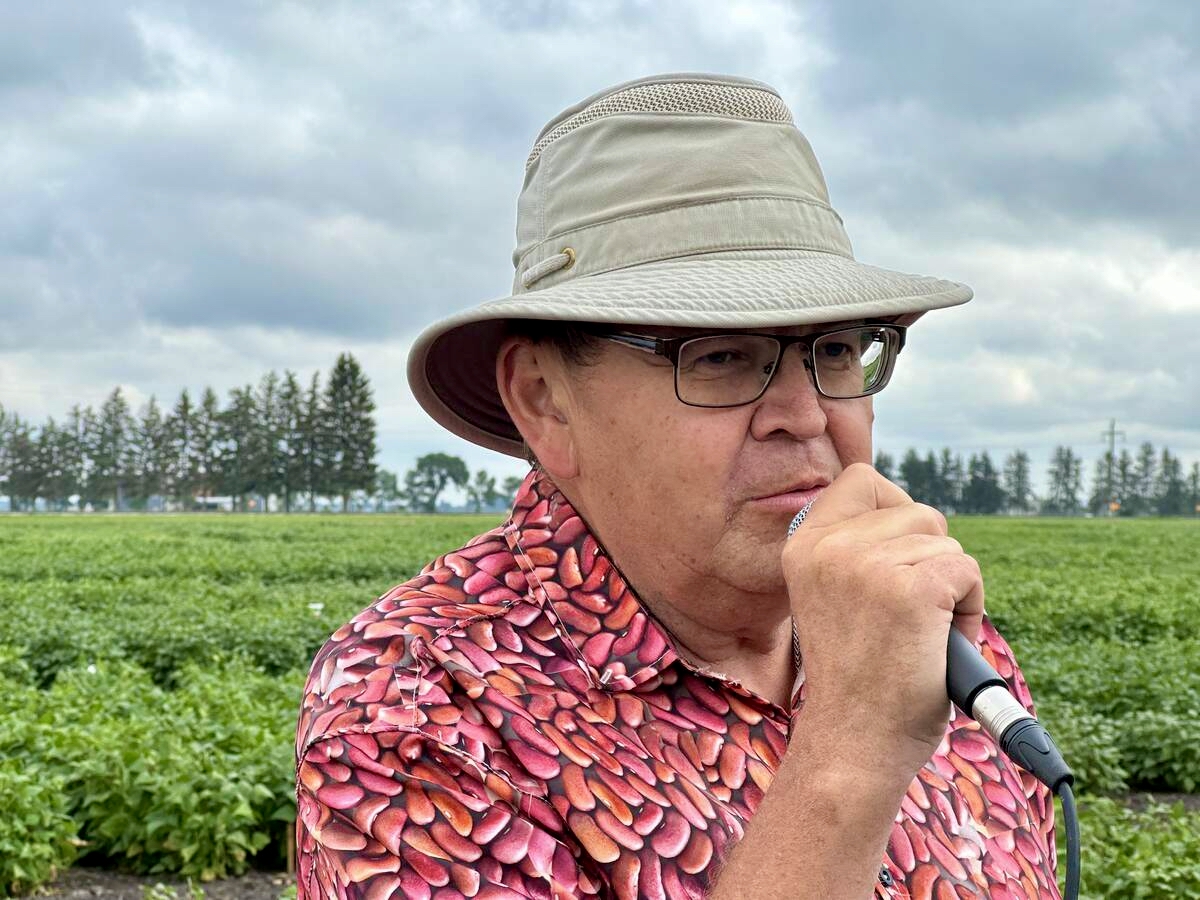
Equally important, breeders were able to push the boundary of those maturity windows without taking big hits on performance. Once the purview of southern Manitoba, dry beans have crept into new regions of the province.
Central Manitoba remains king for dry bean acres, but some farmers are putting them in the ground in the west and northwest. Last year’s data (as reported by Yield Manitoba), showed about 3,900 acres in crop insurance risk zones 6 and 7, regions north of Brandon and along the Yellowhead Highway. In the risk areas around Dauphin, directly north of Riding Mountain National Park, and even further north — north of the Duck Mountains and along the Saskatchewan border — MASC reported a collective 5,300 acres.
There are also yearly efforts to further localize seed choice. Most dry bean growers in Western Canada do rely on U.S. genetics. Local trials from the Manitoba Pulse and Soybean Growers strive to narrow the list of varieties that work best in local fields.
Dry beans standing tall
Modern breeding tools, such as genomic selection and field-based sensors, are speeding up and improving decisions in crop development.
“Now we have technology that allows to No. 1: screen or evaluate more material in our breeding program, and No. 2: be more efficient at the selection process,” Osorno said, noting these advancements bring practical benefits to the farm, offering better-performing bean varieties with improved traits.
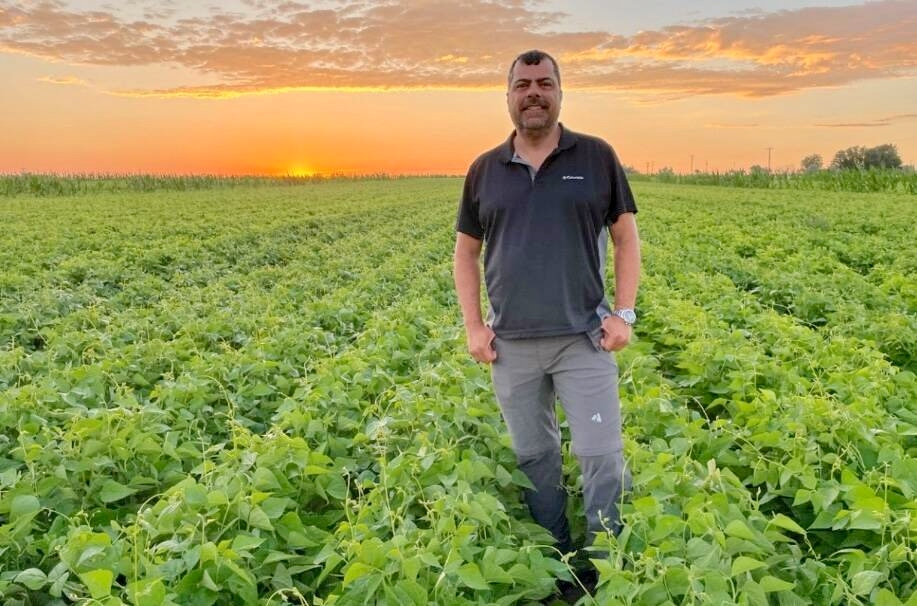
One of the most significant changes for farmers has been the shift from traditional, low-growing bean plants to upright varieties.
“Back in 1997, ’98, ’99 … the main way farmers would harvest would be your traditional undercutting and windrowing, and now that’s changed through genetics,” Lange said.
Today’s more upright beans can be harvested with the same combine as farmers used for corn, soybeans or other row crops, Osorno said, resulting in reduced physical labour, lower fuel usage and fewer beans left uncollected in the field.
The change has allowed farmers to better integrate dry beans into more diverse crop rotations, particularly during tight harvest windows.
“It allows them for more flexibility in the timing of the harvest operation,” Osorno said. “So your production costs go down, which means your return on investment also goes up.”
Seed quality to match market demands
Farmers are paying a lot more attention to seed quality these days, thanks to what buyers and the market are asking for, said Lange. Genetics have helped tackle problems like beans darkening in storage, especially for pintos.
“We want varieties that have slow darkening capability, meaning pinto will last longer in the stores,” he said. “All those are through genetic improvements.”
If a farmer’s beans come in looking too dark, they end up getting docked at the elevator, which hits them right in the pocketbook, Osorno said.
Value-added traits mostly untapped
Even with all of the genetic progress, many value-added traits, like better nutrition and quicker-cooking beans, haven’t really caught on as priorities in the industry yet.
“I’ve been talking about those things at every opportunity, every meeting I go to, trying to spread the word, because I think it’s a really good thing,” Osorno said. “I don’t think the industry is taking advantage of that as much as they could.”
Looking ahead, both Osorno and Lange said continued genetic improvement will be key to maintaining dry beans as a competitive crop on the Prairies, particularly as weather variability and market expectations increase.
– This article was originally published in the February 17, 2026 issue of the Manitoba Co-operator.