
Averages from top-management dairies show cows hit production peaks later in life
Lactanet looks at four years of data for longevity, age at first calving
By Stew Slater
| 5 min read
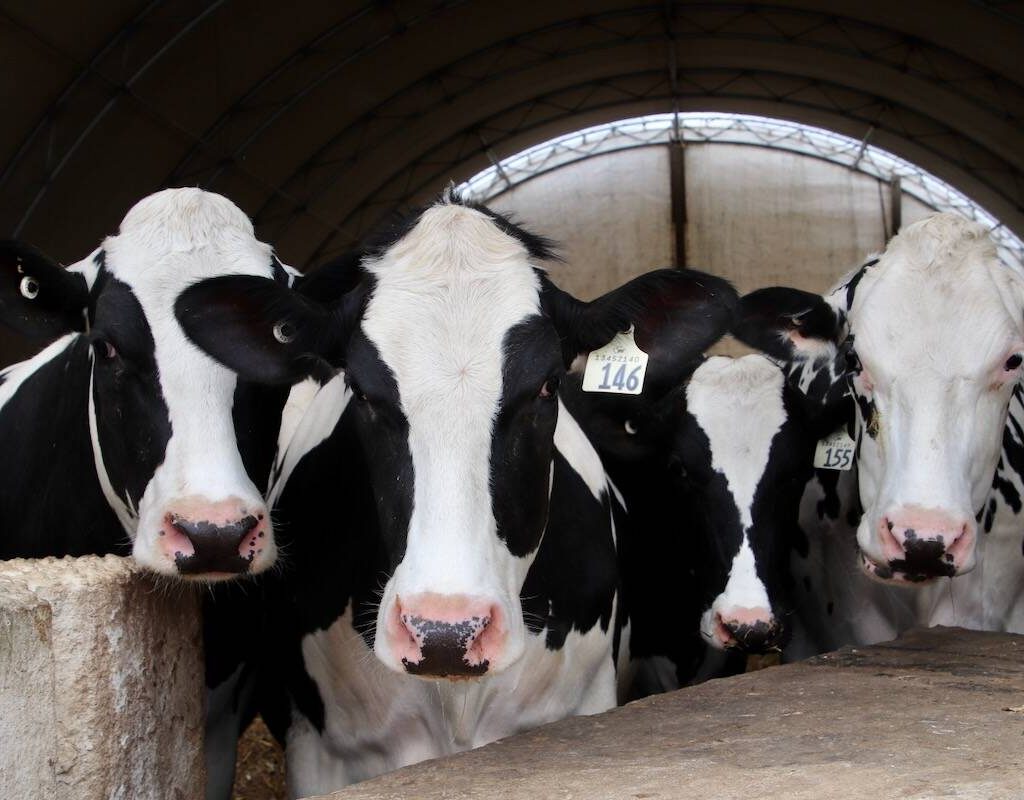
Older cows produce more milk than first lactation heifers, but not every cow makes sense to keep into later lactations, says Lactanet data. Photo: Diana Martin
Glacier FarmMedia – Cows in their third or later lactation produce about 3,000 kg more milk than cows in their first lactation, a Lactanet data mining project shows.
“This is extremely significant. We’re looking at big numbers here,” Lactanet’s senior product specialist Jeremy Ten Hag said. “I think it would make total sense if we did as much as we could to have more lactation three-or-older animals in our herd.”
Lactanet recently began presenting four years of herd demographic, health, fertility and milk production records from Canadian farms enrolled in Lactanet’s DairyComp herd management software during a series of webinars. The Feb. 12 edition addressed trends in average herd age and age at first calving.
Why it matters: As the amount of data collected on dairy farms steadily rises, farmers and service providers are challenged to make use of it.
According to Ten Hag, there is general agreement in Canada’s dairy sector that cows tend to be more profitable for farms as they age. “We get into the buzzwords like ‘sustainability,’” he commented. “I think (cow) longevity blends right in with that.”
It’s not every cow that should stay in the herd, though, and farmers need to be selective about the older cows they keep.
He showed a graph with three separate curves tracking 305-day milk production — one each for first-lactation, second-lactation and third-or-more-lactation cows. There was a large area of overlap in the curves that the Lactanet specialist said represented — at least theoretically — the instances when “first-lactation animals outperformed their dams.
“It’s not just one or two cows here,” he continued. “And it’s not just one or two herds here.”
The graph, he said, proves that “we need to be discerning about which older cows we keep on our farms.”
The data mining project’s daily milk yield graph is a curve that’s higher in the middle and lower on either end. On one end are herds with fewer than 30 per cent older animals; on the other are herds with greater than 40 per cent older animals. The daily yield drops off the most among herds with 50 per cent or more older animals.
“We all have reasons why we’re keeping those (older) animals on our farm,” Ten Hag said. “She has no health problems. She gets pregnant on the first service every time. We can rattle (the reasons) off. But there is a price to pay for that in production.
“When our herds are too young, there is also a price to be paid. And I think our data is showing that.”
Assessing the top 10 per cent of herds based on 305-day milk production, the data mining project determined the percentage of cows in lactation three-or-more in those herds is similar across the regions of Canada. And on average, the lactation three-or-more cows in those herds are producing over 3,000 kilograms more per lactation than the cows in lactation one. There’s a similar pattern with 305-day fat yield.
DairyComp records from 2021-2024 indicate the percentage of the Canadian herd that’s in lactation three or four is expanding. The graph shown during the webinar starts in 2021, with just more than 15 per cent of herds with fewer than 30 per cent older animals. That falls to 10 per cent in 2024. Those with 30-35 per cent older animals in the herd fell from 17 per cent of Canadian herds in 2021 to 12 per cent in 2024.
On the other end of the scale, the percentage of Canadian herds with half or more of their cows in lactation three or higher rose from just below 14 per cent in 2021 to 23 per cent in 2024.
In the middle of the scale, meanwhile, those with 40-45 per cent older animals in the herd stayed steady at approximately 20 per cent of Canadian herds through the four-year dataset.
Regionally, the dairy sector in the west showed a more moderate trend toward a more mature herd compared to Ontario or Quebec. The 2024 numbers — the final year of the dataset — show just more than six per cent of western dairy herds with cows in lactation three-or-older, compared to almost 12 per cent among Ontario herds.
Quebec, meanwhile, continues to drive the national average toward a higher percentage of herds in the older age group, with more older herds than anywhere else in the country.
In Western Canada, the one area bucking the trend in the 2021-24 period was among the top herds for 305-day milk yield. These herds have a higher percentage of lactation three-or-more animals compared to the overall western Canadian average.
Ten Hag stressed, however, that the project’s milk yield and fat yield comparisons are based on averages. Across the country, not all older cows outperform first-lactation animals, and not all younger animals underperform compared to their older herdmates.
Age at first calving
The data mining project also looked at age-at-first-calving data, aiming to relate this to future performance in the herd. The data shows a “very subtle decrease in 305-day milk yield” among cows that were older than 22 months at first calving. There’s another slight decrease for those calving at 26 months or older.
But among the top 10 per cent herds for performance in Canada, those relationships break down somewhat. DairyComp data indicates some of those herds are successful despite having a higher percentage of their heifers calving out at 26 months or older.
Lactanet’s comparison of age-at-first-calving to later-lactation milk yield, meanwhile, suggests there’s no justification for prolonging age at first calving beyond 26 months with the aim of allowing those animals to perform better in second lactation and older.
“When heifers calve out older, that doesn’t translate into them performing better when they’re older,” Ten Hag said. “The lactation two-three yield is best, still, for those calving as heifers between 21-26 months.”
Across the four years of 2021-24, there was very little change in average age at first calving among Canadian herds, regardless of region.
– This article was originally published in the March 10, 2026 issue of Farmtario.