Canadian Agricultural Safety Association promotes new vision for farm safety
| 2 min read
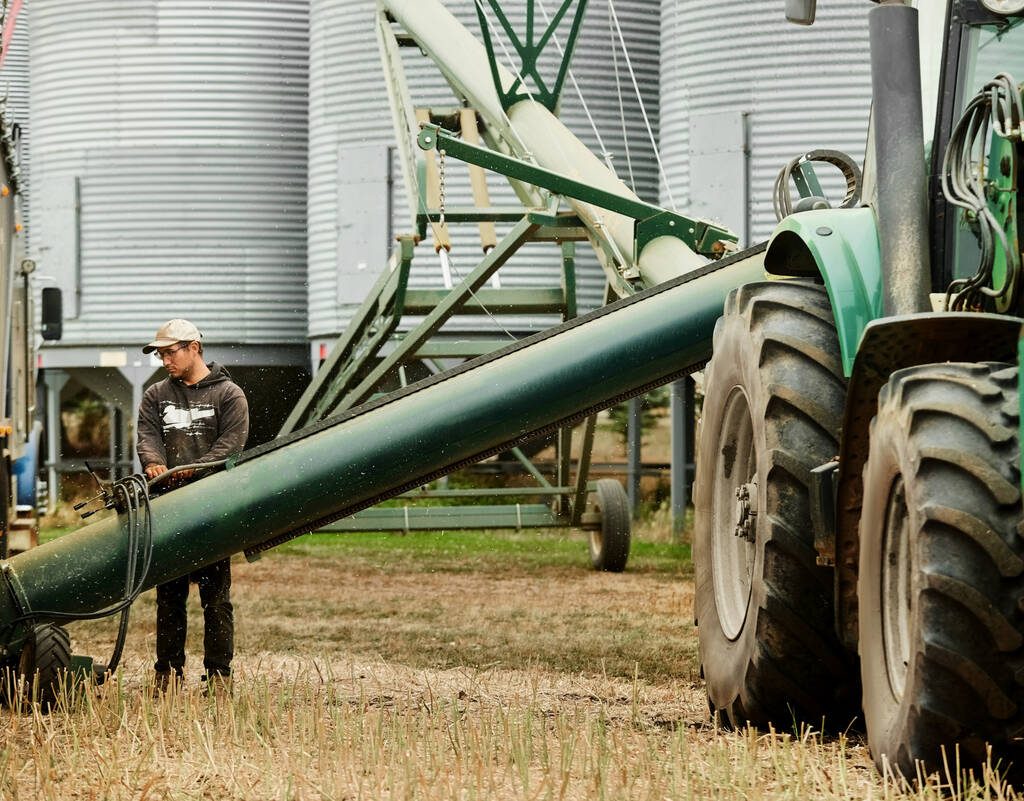
“Agriculture is one of Canada’s most hazardous industries, and we’ve made a lot of progress, but there are still too many preventable injuries and fatalities happening in farming,” said Sandy Miller, CASA executive director. Photo: AJ_Watt/Getty Images Plus
The Canadian Agriculture Safety Association envisions “a Canada where no one is harmed in agriculture.”
The vision, along with the group’s new mission statement of promoting a “culture of agricultural safety that protects people through knowledge sharing, support, and meaningful connections” comes as part of Canadian Agricultural Safety Week, March 15-21.
“This new mission and vision, it’s not just a symbolic change,” said Sandy Miller, CASA’s executive director.
“Agriculture is one of Canada’s most hazardous industries, and we’ve made a lot of progress, but there are still too many preventable injuries and fatalities happening in farming.”
WHY IT MATTERS: Agriculture is one of Canada’s most dangerous job sectors, with more than 60 fatalities per year as a result of agriculture-related injuries
Miller said the choice of the word ‘harm’ in the new vision was a deliberate one to highlight both physical and mental health risks.
“It’s not just farmers getting injured stepping over PTOs,” she said. “There were so many other factors to be considered.”
“CASA’s role has always been about sharing knowledge to keep people safe, so we really wanted to be explicit in our role as an opportunity to drive cultural change.”
The evolution of farm safety
Cultural changes can be difficult to drive, but Miller said the conversation around farm safety and wellness has evolved before.
“Just looking at (mental health), I think there’s been a huge shift in terms of resources that are available, the conversations that are being had, the lessened stigma,” she said. “Are we there yet? No, but do I see progress? Absolutely.”
“When I think back to as recently as, let’s say, 2015-2016, very few farmers were talking about mental health,” she said. “We would say stress rather than mental health, because we were trying to ease our way into reducing some stigma.”
There have also been improvements on physical safety issues over time, like tractor rollover, Miller added.
CASA’s new vision reflect a focus on collaborative, positive solutions, the organization said in a March 16 news release.
Part of that collaborative approach involves working with provincial partners like AgSafe B.C. and federations of agriculture in Ontario, Alberta and Newfoundland and Labrador.
Miller added CASA is nearly finished crafting a 2026-29 strategic plan, which will translate the new priorities into action.
Practical measures
Miller added there are practical measures producers can take on their own farms which reflect this idea of practical solutions.
“Take step back and, just as you would do a circle check of your tractor, do a circle check of your farm,” she said.
She urged farmers to take a clear and honest look at what needs to be fixed, changed or replaced to protect themselves, their families, workers and neighbours.
Miller noted that CASA offers free courses and resources on farm safety.