CBOT Weekly: U.S. trade monitoring crops, weather
U.S. winter wheat drier than normal
| 2 min read
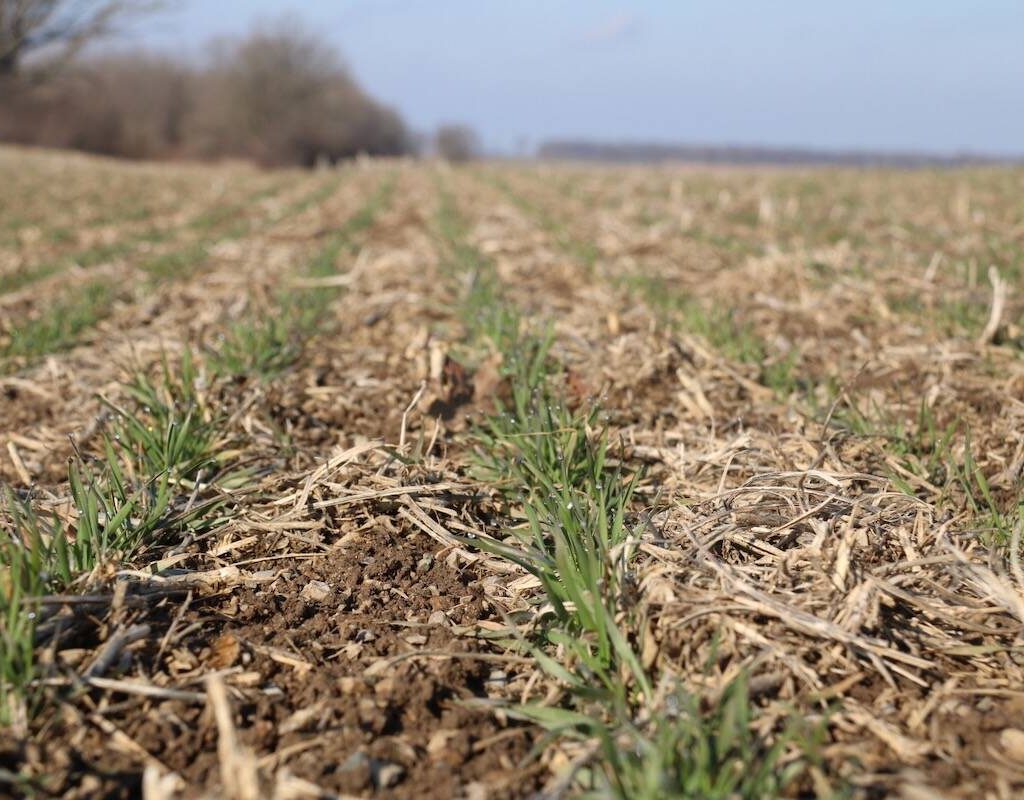
The U.S. Department of Agriculture reported the winter wheat crop at 34 per cent good to excellent as of April 12, down one point from the previous week and 13 points below last year. Photo: John Greig
Glacier FarmMedia – Early conditions for the United States winter wheat crop were the main focus for trade over the past week.
The U.S. Department of Agriculture reported the crop at 34 per cent good to excellent as of April 12, down one point from the previous week and 13 points below last year. The worst conditions were in Colorado, Nebraska, Oklahoma and Texas at below 20 per cent, where dry conditions have affected quality. Meanwhile, 11 per cent of the nation’s crop was headed, compared to the five-year average of seven per cent.
- For daily market updates, visit The Western Producer Markets Desk
Scott Capinegro, hedging specialist for AgMarket.net, said that just like the weather, crop ratings are likely to change. He added that plantings for other crops could also be affected.
“We might have seen the top end for corn acres and we might have seen the low end for (soybean) acres for all we know. If it stays wet, there will be switching and there always is,” Capinegro said.
The USDA reported corn planting was at five per cent complete, compared to the five-year average of four per cent. For soybeans, six per cent of the crop was seeded, triple the average. Projected corn and soybean acres are 95.3 million and 84.7 million, respectively.
“The Delta is going in pretty well for beans and it seems like that’s what farmers are doing again. If you can go, put beans in as fast as you can first,” Capinegro said.
Prices for Kansas City hard red winter and Minneapolis spring wheat varieties rose on April 13 and 14 due to dry conditions over much of the U.S. But the trade is keeping one eye on the ongoing war in Iran.
“Just the last few days, it seems like grains are trying to break away from the oil market,” Capinegro said. “I think that’s because we’re going to start being more concerned about planting conditions, the rain and dryness.”