
Equine herpes case confirmed at Moose Jaw Exhibition Company
| 5 min read
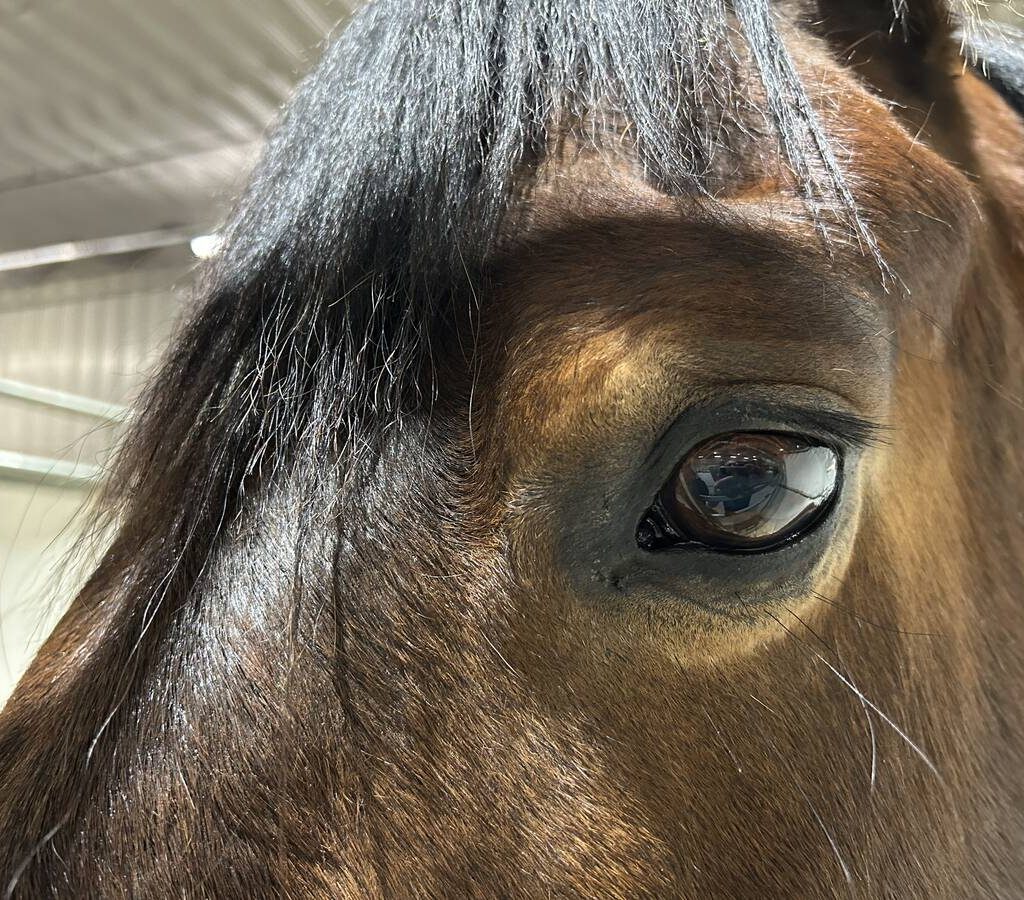
Photo: Ed White
Facility places itself under quarantine after equine herpesvirus-1 confirmed in one horse, with a potential second case
Glacier FarmMedia – The Moose Jaw Exhibition Company has been placed under quarantine, effective Dec. 22, due to a confirmed case of equine herpesvirus-1 (EHV-1) at the grounds.
Quarantine will last 21 days in accordance with standard biosecurity measures for the virus, at the direction of local veterinarian Dr. Laura Baron, who confirmed the case.
Saskatchewan Agriculture has confirmed that EHV-1 has been detected, but at this time, there is no known connection to the EHV detections in the United States or Alberta.
The province’s chief veterinary officer has been in contact with the veterinarian involved and is playing a supporting role in the case.
Second case not confirmed
The announcement of the case was made by the Moose Jaw Exhibition via a Facebook post on Sat. Dec. 20, and halted acceptance of new horses. The confirmed case was a boarding horse at the exhibition grounds, which has since died.
A second potential case has presented in a horse with strong symptoms, but it’s yet to be confirmed by the lab.
EVH-1 is one of the most common strains of equine herpesvirus in Canada, and all horses are susceptible.
According to the University of Saskatchewan Veterinary Medical Centre, “the respiratory disease caused by EHV is most common in weanlings and yearlings. Pregnant mares are susceptible to abortion. The neurologic form of disease may occur more commonly in aged horses.”
The neurological disease is also named equine herpesvirus myeloencephalopathy (EHM).
Baron confirmed the case as the respiratory disease, although a severe case of it, despite public speculation of it being the neurological disease.
Infection vector uncertain
Concern for the situation is high, particularly with recent cases of the disease in Alberta and multiple outbreaks throughout the U.S.
Reactions to the social media post, and following posts such as the quarantine, have included questions about the situation as well as shock, disappointment and concern.
From Dec. 20 to the quarantine placement on Dec. 22, boarding tenants were able to remove their horses from the grounds.
At this time, the exhibition association and Baron are unsure how the horse in question came to be infected.
“EHV is endemic in the horse population, which means it’s kind of there all the time,” Baron said.
“And by virtue herpes viruses, lots of times you get them, and then they lay latent in the body, and then at times of stress use, the infections will kind of pop up.
“So we actually don’t know where the infection kind of came from, or who patient zero was, or where it started.”
The exhibition association and Peak Veterinary Health, the practice where Baron is employed, have been working in close contact to ensure disease protocols and guidelines are followed.
“I think it would certainly be causation for concern in the equine community,” exhibition president Mel Burns said in an email.
“Being a horse owner and having horses on the grounds myself, I too have concerns. I have tremendous empathy for everyone, especially for the horse owner.”
Focus now on biosecurity
Each horse at the exhibition grounds has its own individual pen and access to its own box stall. Stalls are solid, so there is no nose to nose contact between animals, though there is with pen fences.
Wash racks and common areas have been properly disinfected.
“Our top priority is to ensure the safety of every horse on our grounds,” added Burns.
The focus now is on biosecurity: ensuring no contact between quarantined horses, no new horses coming in, handlers thoroughly washing hands and thorough washing and disinfecting anything that horses come in contact with, including tack, water buckets and feed buckets.
“Thankfully, the virus is kind of wimpy, and so the cold will help kill it, but it can survive, up to two to five days on surfaces and up to 14 days in water,” Baron said.
Some tenants and clients were allowed to remove their horses to quarantine them at their own facilities. Baron spoke with them extensively about proper quarantine and biosecurity protocols.
Baron said he made that decision based on her knowledge and trust of the clients and their ability to diligently follow biosecurity. She knows where each of the horse went.
Owners required to monitor
Owners are required to monitor their horse’s temperature one to two times daily for spikes in fever, as well as look for clinical signs such as coughing, nasal discharge and lethargy.
“If they do note a fever, obviously they should contact their veterinarian right away,” she said.
“And then we should do nasal swabs and send away for testing. And, again, just keeping really good hygiene and keeping the biosecurity standards high.”
If horses begin to present signs, they will be isolated for 21 days following their last day of fever and other clinical signs to ensure they are done shedding the virus.
Once the virus is present, the only treatment is pain medications, NSAIDs and occasionally additional supportive measures until the virus has run its course.
Vaccinations for EVH-1 are available, though they don’t provide 100 per cent protection, much like the human flu vaccine. The vaccines do not protect against EHM.
An information session is being hosted Dec. 23 at 5:30 p.m. at the Golden Nugget Centre in Moose Jaw with Baron and Dr. Tyra Dickson, Saskatchewan’s animal health and welfare veterinarian.
There is also a Teams meeting link available for virtual attendance posted on the MJ Ex Co.’s Facebook page.
For additional support or information, horse owners should contact their local veterinarian. Baron also recommends information on the American Association of Equine Practitioners website.