
Electric vehicles remain wild card in China trade deal
By Scott Garvey
| 4 min read
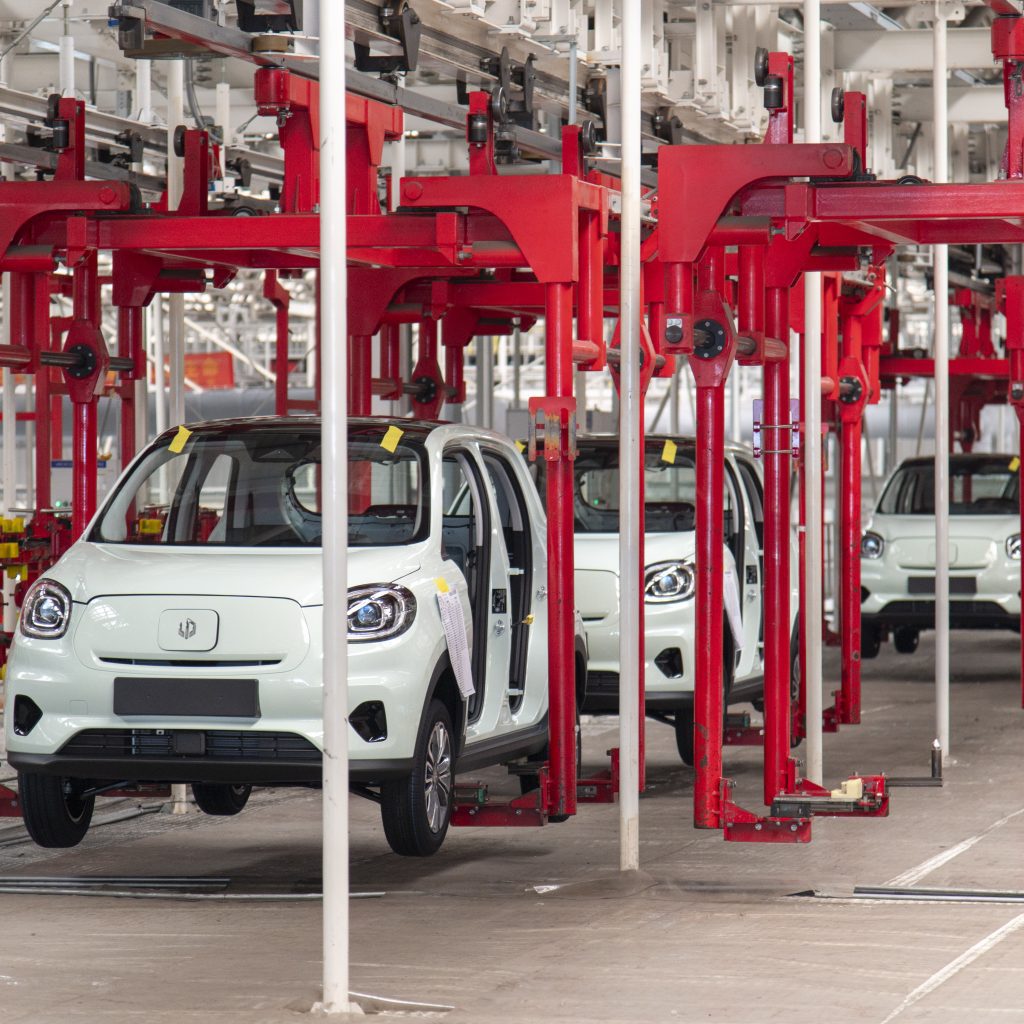
JINHUA, CHINA - JANUARY 13: Workers assemble new energy vehicles at an intelligent factory of electric vehicle enterprise Leapmotor on January 13, 2026 in Jinhua, Zhejiang Province of China. Photo: VCG/VCG via Reuters
Now that U.S. president Donald Trump’s administration has alienated many of the U.S.’s traditional allies — at least when it comes to trade —many of those countries have been moving swiftly to make new trade alliances that exclude the United States.
The goal is to establish new reliable and trustworthy trading networks that can, at least in part, create a path back to stable global trade.
As an example, Europe is just about to ratify a trade deal with the Mercosur bloc, which includes several South American countries, including Brazil. Brazil is also a member of the expanding BRICS trading block.
Today’s announcement that Canada has reset its trading alliance with China is just one more trade agreement with clear intent is to bypass an increasingly erratic U.S. administration.
Speaking at a press conference following an announcement of the new agreement, Prime Minister Mark Carney said, “the way our relationship has progressed in recent months with China, it is more predictable (than with the U.S.) and you see results coming from that.”
The relationship with China, Canada’s second largest trading partner, deteriorated under the previous Liberal government, but it is now set to become an even more important partner.
The major trade irritant had been Canada’s decision to follow the U.S.’s lead and place a 100 per cent tariff on electric vehicles. In return, China targeted Canola exports.
Criticism from the auto sector
The new agreement sees China reduce canola tariffs to an effect 15 per cent in exchange for allowing up to 49,000 Chinese electric vehicles into the Canadian market at a 6.1 per cent tariff rate.
The agreement is being widely criticized by Ontario’s auto manufacturing sector.
“This is a self-inflicted wound to an already injured Canadian auto industry,” said Unifor national president Lana Payne in a press release.
“Providing a foothold to cheap Chinese EVs, backed by massive state subsidies, overproduction and designed to expand market share through exports, puts Canadian auto jobs at risk while rewarding, labour violations and unfair trade practices.”
However, not everyone completely agrees.
Speaking to the Western Producer ahead of the announcement, Barry Prentice, director of the Transport Institute at the University of Winnipeg, predicted that a quota system on EV imports would be the likely outcome of any trade negotiation.
“I would certainly approve of that for a couple of reasons,” Prentice said. “One is we don’t have the North American manufacturing volume that would displace (regular ICE vehicle production). We need to get enough electric vehicles on the road to support the charging system (network).”
The only electric vehicle production in Canada was at a GM plant, which produced the company’s Brightdrop commercial van. It ceased production last year due to low sales numbers.
However, many Canadian auto parts manufacturers produce components for a variety of vehicle models built in both Canada and the U.S.
Ontario premier Doug Ford spoke out against the deal, saying “this lopsided deal risks closing the door on Canadian automakers to the American market, our largest export destination, which would hurt our economy and lead to job losses.”
That is a threat the U.S. president has already made several times against Canadian auto production, well before today’s announcement. So, arguably, that risk isn’t new.
The growing Canadian consumer boycott of American products is also now moving toward targeting U.S.-built vehicles.
Awaiting American response
Ontario auto sector hasn’t exactly been overlooked by governments in the past. It has received more than a little government support up until now.
In 2009, the federal and Ontario governments ponied up $13.7 billion in funding to allow GM and Chrysler to keep the lights on at plants in Ontario.
However, the question remains: what, if any, response will ultimately come from the U.S.
The U.S. National Security Strategy document published in November made clear its intent to economically and militarily dominate all countries in the Western Hemisphere.
It specifically mentioned influencing trading partners’ engagement with China, saying “the United States must work with our treaty allies and partners … to help safeguard our prime position in the world economy.”
However, the administration doesn’t seem to understand the “work with” aspect of engaging with traditional trading partners.
“Trump was in Detroit (at a Ford assembly plant) saying we don’t need anything from Canada,” Prentice said. “Yeah, but you want to sell cars made in the U.S. to Canada. He doesn’t seem to understand trade is a two-way relationship.”