
FCC raises inflation forecast on surging commodity prices
Canadian consumers may have little if any cushion remaining against future economic shocks, ag lender warns
| 2 min read

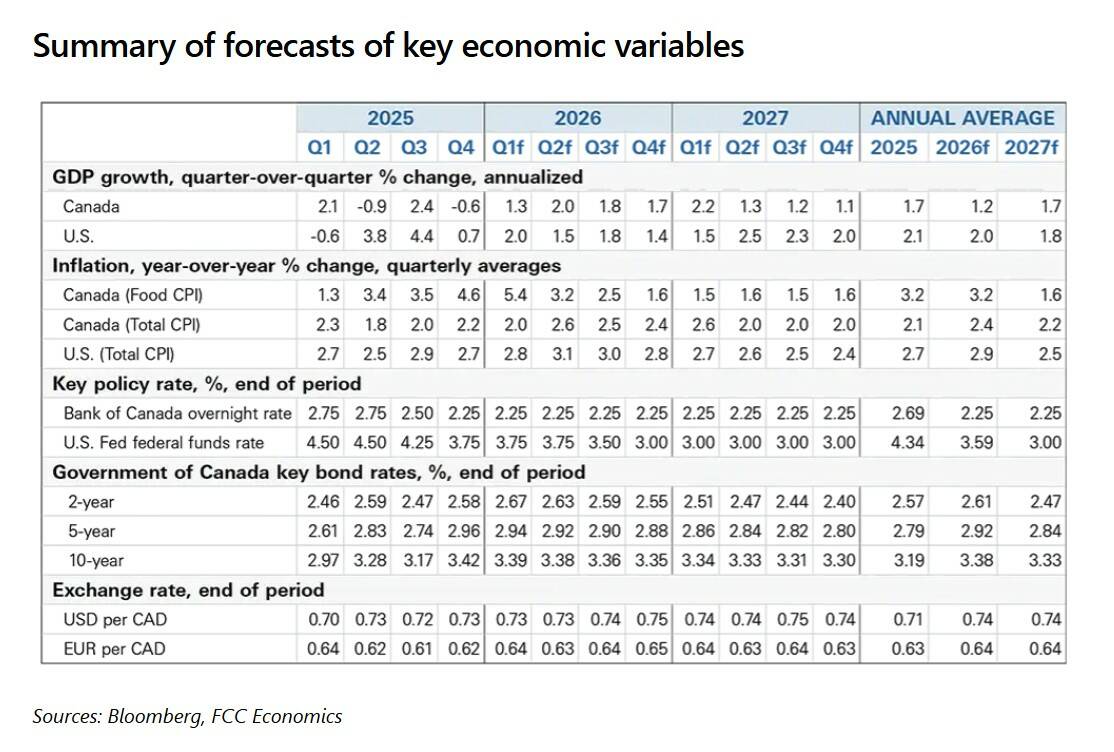
Farm Credit Canada (FCC) has raised its 2026 forecast for overall inflation as commodity prices spike due to war in the Middle East.
The farm lender maintained its prediction that GDP growth would slow to around one per cent.
The effective blockade of the Strait of Hormuz, which has restricted the flow of oil and gas from the region, has pushed commodity prices to multi-year highs, FCC economist Krishen Rangasamy wrote in a March 18 report.
Pros and cons
The jump in prices could spell opportunity for Canada, Rangasamy said.
WHY IT MATTERS: Higher fuel and fertilizer prices for farmers today could be followed by higher borrowing costs in the future if core inflation persists.
“Given its high historical correlation with commodity prices, nominal GDP (which matters for government revenues) is likely to also perk up.”
If commodity prices stay high, the federal government and governments in resource-rich provinces such as Alberta or Newfoundland and Labrador could see higher revenues. That doesn’t mean governments will spend more, Rangasamy said, but there’s potential for a spending-related GDP boost.
However, fertilizer prices are among those surging due to the conflict which is weighing on the ag sector. Higher prices for fuel can also push up inflation and erode consumers’ buying power.
Trade war damages
Last year, Canada’s economy saw the worst performance since the 2020 pandemic recession — growing just 1.7 per cent, Rangasamy wrote. Export volumes fell on an annual basis for the first time in five years.
Government and consumption spending offset weaknesses in housing and business investment. However, based on a slumping household savings rate, consumers also dipped into savings to maintain lifestyles. This means Canadians have little cushion to absorb future shocks.
“With no end in sight to America’s trade war … look for trade and business investment to act as a drag on Canada’s economy again in 2026,” Rangasamy said.
Government and consumption spending may not provide as much of an offset this time. Rangasamy noted the government has telegraphed caution related to public spending. While ambitious public projects are in the works, that spending isn’t expected this year.
Interest rates and the loonie
If commodity prices stay high long enough, businesses may be forced to raise prices which could lead workers to demand higher wages.
“That could potentially trigger a wage-price spiral,” said Rangasamy.
The Bank of Canada could pre-emptively raise interest rates to prevent core inflation from taking off. However, he predicted the bank would stay in “pause mode” for several months.
FCC predicted the Canadian dollar would trade in the 72- to 74-U.S. cent range for most of the year, but acknowledged currency volatility could temporarily take it outside that range.