
Federal forecasters to add AI to improve weather predictions: ECCC
| 1 min read
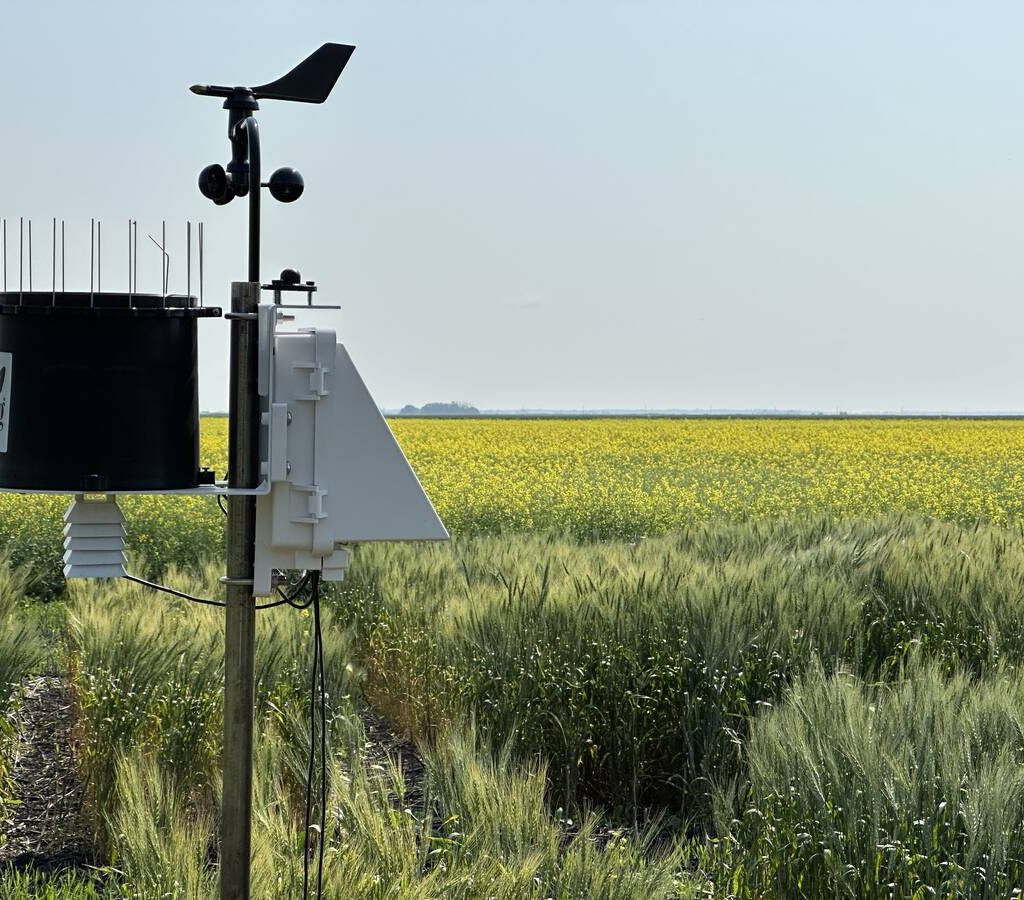
ECCC will create a new hybrid weather forecasting model, combining the predictive abilities of AI and traditional physics-based meteorology and the department’s knowledge of local factors for wind, temperature and precipitation. Photo: Don Norman
Environment and Climate Change Canada will be using artificial intelligence to improve weather forecasts beginning this spring, the department announced Thursday.
“Artificial intelligence supports earlier detection of weather-related events, as well as enhance the reliability and accuracy of forecasts,” said Julie Dabrusin, minister of environment, climate change and nature, in a news release.
ECCC will create a new hybrid weather forecasting model, combining the predictive abilities of AI and traditional physics-based meteorology and the department’s knowledge of local factors for wind, temperature and precipitation.
- More weather coverage: El Niño risk building, U.S. forecaster says
The new forecasting model would enhance public safety, improve emergency readiness and give more Canadians time to act when severe weather is expected, the department said.
The hybrid model is also expected to improve the accuracy of short and long-term forecasts. It claims the six-day forecast would be as accurate as the traditional model’s current five-day forecast and would predict major weather systems from eight to 24 hours earlier.
ECCC said it has tested the hybrid model over the past year to compare its performance with the traditional models. They found that the hybrid model predicted extreme weather more effectively, while the traditional model was better at small-scale details.