
Growth capital hard to find for Canadian agri-food
By John Greig
| 3 min read
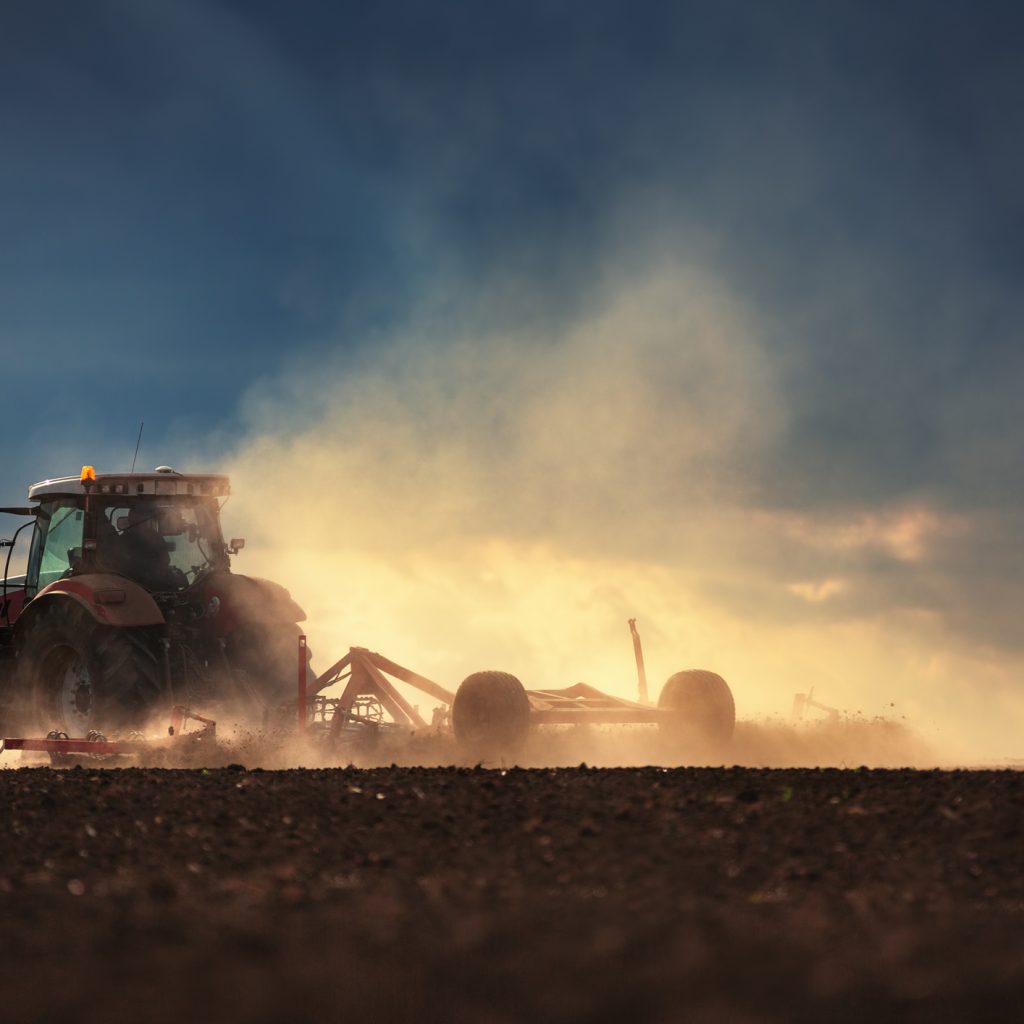
Agriculture is a significant player in the economy, but it doesn’t get an equal share of large government or large pension or private growth fund investment. Photo: Getty Images Plus
In the past five years, growth funding for agriculture has dwindled, says a recent RBC Report called Seeding Scale.
Agriculture is a significant player in the economy, but it doesn’t get an equal share of large government or large pension or private growth fund investment.
WHY IT MATTERS: The agriculture and food sectors can help Canada accomplish some of its goal of attracting $1 trillion in investment over five years, but the recent track record of growth funding has been poor.
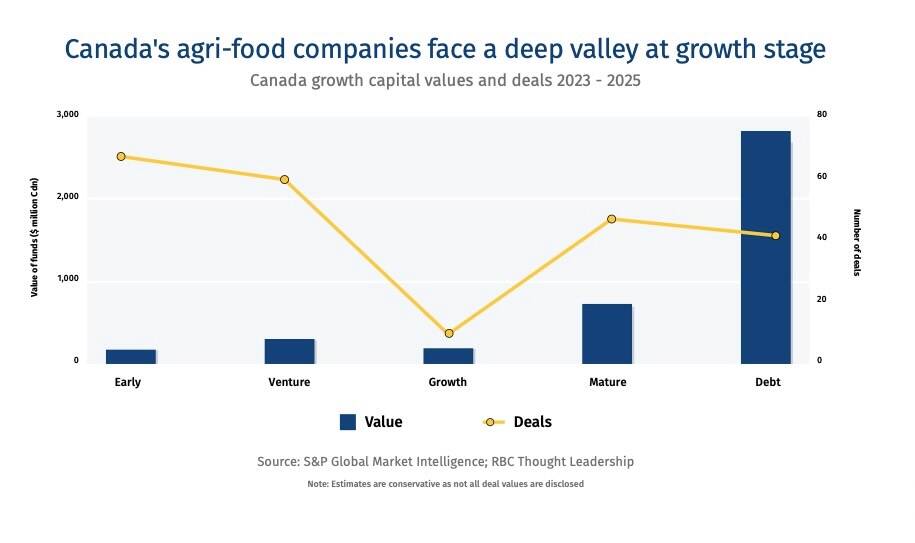
Growth capital is needed by companies at the stage when they are operational and need to scale to be successful. That’s often when the most funding is needed and is beyond the ability of venture capital funds and smaller funders to provide.
“In the Canadian context, a lot of where that money is coming from would be in the early stage,” says Lisa Ashton, agriculture and nature policy lead with RBC Thought Leadership.
A growing number of incubators and accelerators, such as Emmertech in agriculture and District Ventures in food packaging, are now in place to help earlier in the agriculture technology business development process.
But once funding needs grow past $15 million, to help fund manufacturing or processing or global distribution, most of those groups are out.
Government growth funds don’t distribute money in the agriculture world in proportion to agriculture and food’s standing in the economy, and that’s limiting the sector’s potential as a strategic asset for the country.
Agriculture has received about two per cent of government-backed growth funding and four per cent of total growth funding in the past five years.
The RBC report says that for growth capital in agri-food to align with its contribution to GDP, funding needs to grow by 36 per cent to $13 billion from now to 2030, compared to the past five years.
“There is a mismatch between the framing of Canada’s agri-food sector as a superpower and its strategic advantages with the actual scale and focus of investments domestically,” the report says.
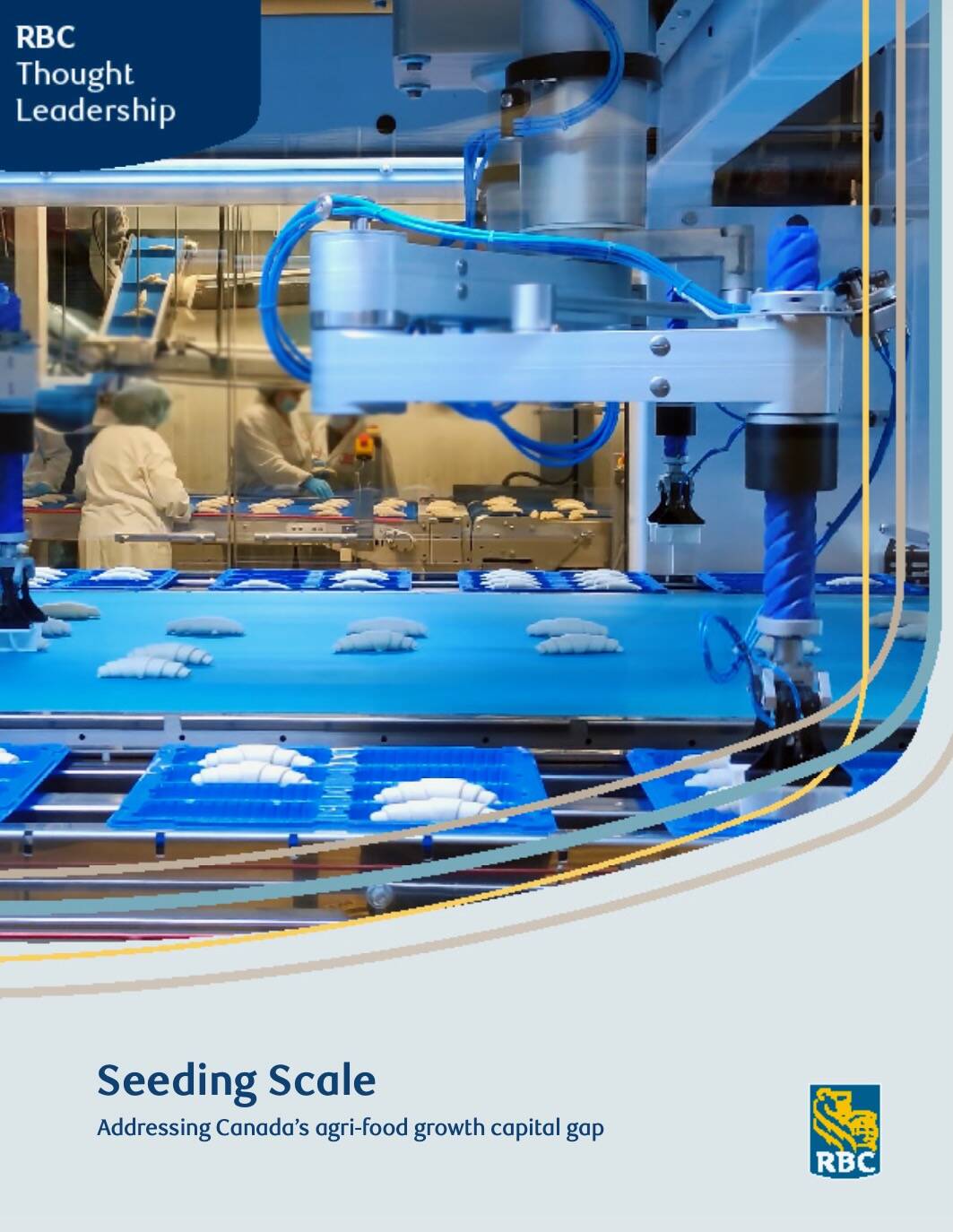
RBC recently released a report that examines the drop in growth capital flowing to agriculture and food. Photo: Courtesy RBC
That growth needs ideas and people, but it also needs money, and the money isn’t flowing into agriculture right now.
Traditional funding won’t do it, the sector will need growth money from more generalist funds, says Ashton.
“Navigating that can be quite hard for generalists that don’t have a lot of exposure to agri-food,” she says. “It goes back to the talent challenge we see in agri-food and having more Canadians or people working in Canada who have an understanding of the sector.”
Funding in other countries
Other middle-power countries have better funding of agri-food from growth funds. Ashton says that once companies reach the need for $15 million in funding, the funder options drop off, and that’s a challenge in most countries. However, the drop off is much deeper in Canada than in Japan, the U.K., Netherlands and Germany.
“I wouldn’t say any country has a perfect example,” she says, but most of them outperform Canada in growth funding for agriculture and food.
What could be improved?
The RBC report listed five areas for improvement to help unlock more growth funding.
- Improve intellectual property and academic incentives to increase commercialization of research, especially from universities.
- Create an AI-driven concierge, housed within a national organization, that provides one-stop information to help manage the support drop off that happens when a startup company outgrows incubators or accelerators.
- Have agri-food experts translate industry knowledge for generalist investors.
- Align government growth, investment and infrastructure funds to better fit with national strategic priorities, especially agri-food.
- Help mitigate revenue uncertainty for companies creating value-added products in agriculture and food.
The goal is to grow global leaders in agriculture and food, to create ‘unicorn’ level companies with at least $1 billion in revenue. Ashton says these are rare in agriculture, but Canada has none, whereas most other major agriculture producing countries have produced some.