
ICE Weekly: More to canola price gains than Middle East war
May’s liquidation, China exports playing roles
| 2 min read
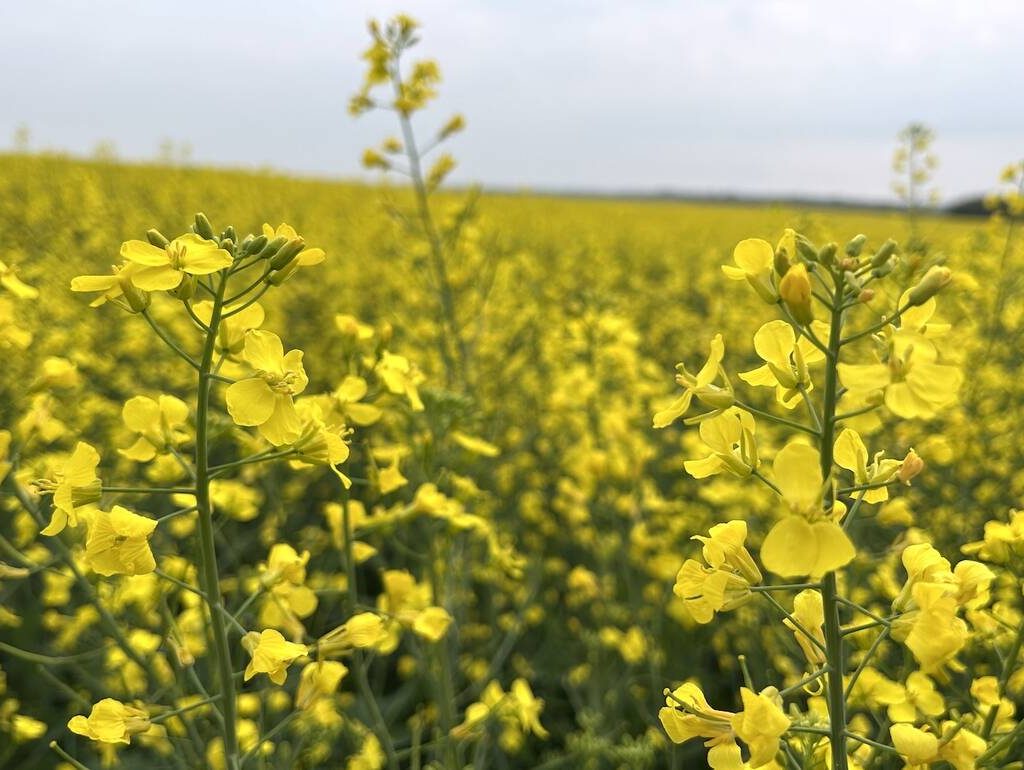
A trader said there's more to canola futures than spillover from crude oil and the Chicago soy complex. That rolling out of the May contract and exports also affect canola prices. Photo: Zak McLachlan
Glacier FarmMedia — The Middle East war is not the only thing affecting canola futures on the Intercontinental Exchange, said Tony Tryhuk, director of futures trading for RBC Dominion Securities in Winnipeg.
Tryhuk said the liquidation of the nearby May contract has also been a main feature, with canola exports continuing to lurk in the background.
He said the commodity funds still have “substantial length” in that May contract, while hedgers, exporters and crushers have turned their focus to the much more traded July contract.
- For daily canola market updates, visit The Western Producer Markets Desk
Tryhuk also said there have been questions swirling about Canada’s canola export program, particularly with China.
“There’s been mixed feelings about how much China is in the market and if that’s going to have a material impact on the ending stocks number,” he said.
The most recent data from the Canadian Grain Commission showed 114,200 tonnes of canola were exported to China during February. However, given China’s earlier tariffs on the Canadian oilseed, cumulative exports for 2025-26 of 328,700 are less than a tenth of the same time last year.
There has been recent questions of whether China is currently buying canola, given how much it’s climbed since the start of the Middle East war. Tryhuk said the vessels in ports such as Vancouver can clarify the story.
“When you look at the vessel line up, there are a lot of boats headed to China,” he said. “What I have noticed is … as China becomes a more popular destination for exports, we’re now losing out on that business we had done before China came (back) into the market.”
Tryhuk said canola shipments to the European Union, Pakistan, Bangladesh and the United Arab Emirates have slowed.
“Those boats are not appearing on the vessel line-up,” he said. “What we are doing is we’ve substituted one canola outlet for another,” suggesting that won’t help to reduce canola ending stocks for 2025-26, which are expected to be quite large.
Agriculture and Agri-Food Canada projected the canola carryover for 2025-26 to be 2.76 million tonnes, up from 1.6 million in 2024-25. The estimate for exports is 8.2 million for the current marketing year versus 9.33 million the previous year.
As long as the Middle East war continues, Tryhuk said the premium in canola will remain.