
Iran says Strait of Hormuz open as Trump sees deal ‘soon’ to end war
Shipping companies react cautiously; timing of peace talks remains uncertain
By Nayera Abdallah Parisa Hafezi Reuters Steve Holland
| 3 min read
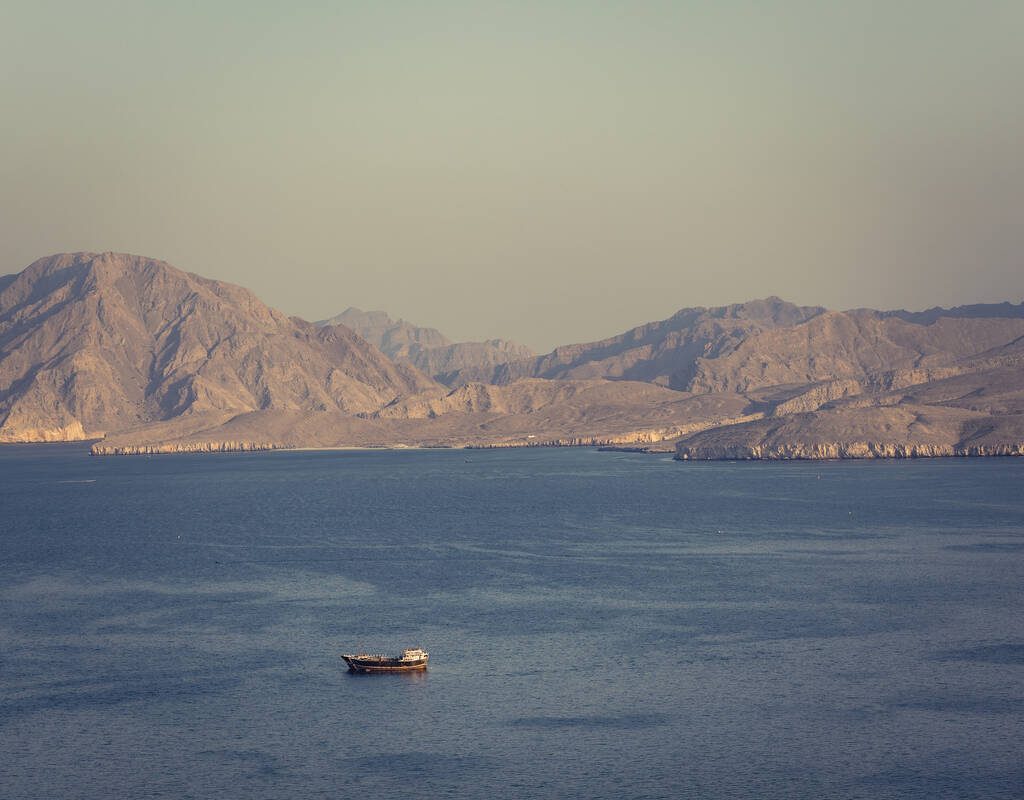
Statements from the U.S. and Iran left uncertainty over how quickly shipping could resume. Photo: Getty Images Plus
Dubai/Washington | Reuters — Iranian Foreign Minister Abbas Araqchi said on Friday the Strait of Hormuz was open following a ceasefire agreement in Lebanon, while U.S. President Donald Trump said talks could take place this weekend and he believed a deal to end the Iran war would come “soon”.
Araqchi said in a post on X the strait was open for all commercial vessels for the remainder of the U.S.-brokered 10-day truce that was agreed on Thursday between Israel and Lebanon to halt fighting between Israeli forces and Iran-backed Hezbollah.
Shortly after Araqchi’s statement, Trump posted on Truth Social: “IRAN HAS JUST ANNOUNCED THAT THE STRAIT OF IRAN IS FULLY OPEN AND READY FOR PASSAGE.”
Uncertainty over shipping resumption
But statements from both sides left uncertainty over how quickly shipping could resume. Trump said a U.S. blockade of ships sailing to Iranian ports – announced after talks with Tehran last weekend ended without agreement – would remain until “our transaction with Iran is 100% complete”.
Iran responded sharply, with Foreign Ministry spokesperson Esmaeil Baghaei warning that Tehran would take “necessary reciprocal measures” if a maritime blockade continued.
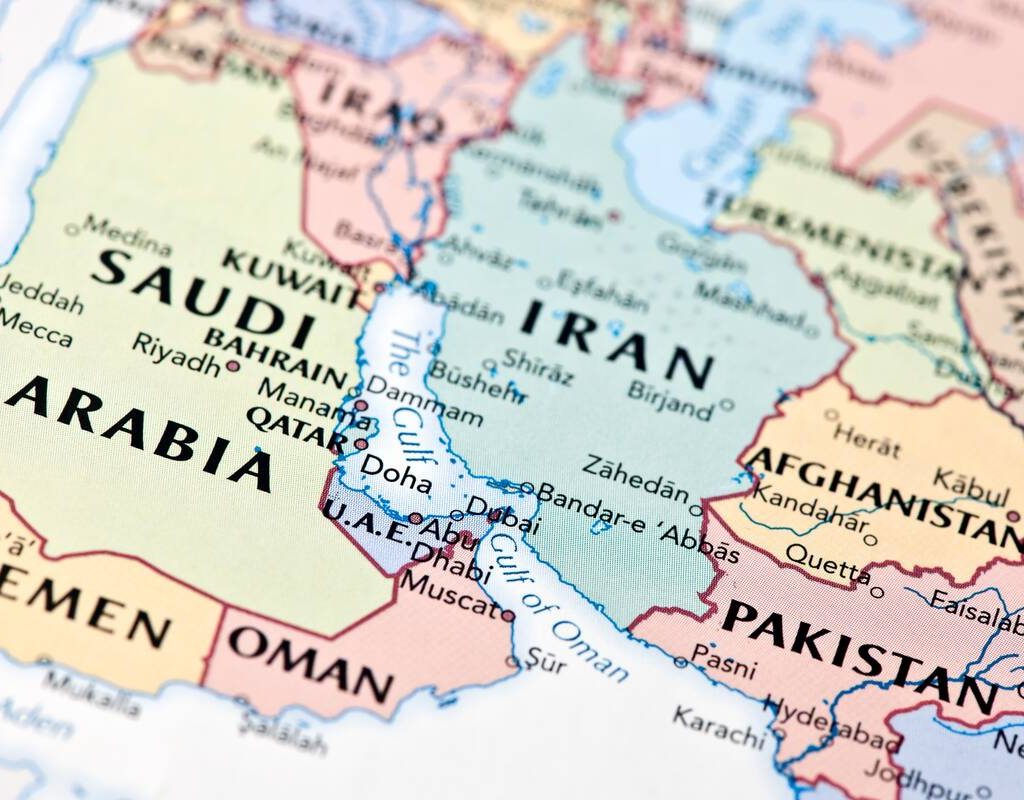
Vessel traffic data showed a group of around 20 ships, including container ships, bulk carriers, and tankers, moving through the Gulf toward the Strait of Hormuz. It was unclear whether they would be stopped or allowed to pass.
U.S.-Israeli strikes on Iran began on February 28, triggering Iranian attacks on Gulf neighbors and reigniting the Israel-Hezbollah conflict in Lebanon.
Thousands have been killed and the conflict effectively shut the Strait of Hormuz — through which a fifth of the world’s oil and liquefied natural gas usually transits — threatening the worst oil shock in history. It also restricted movement of fertilizer, which led to a spike in prices.
Oil prices tumble, stocks jump
Oil prices fell about 10 per cent, and global stocks jumped on the news that marine traffic might flow through the strait again.
Shipping companies cautiously welcomed Iran’s announcement but said they would require clarifications, including about the risk of mines, before vessels move through the entry point to the Gulf.
The U.S. Navy warned seafarers that the mine threat in parts of the waterway was not fully understood and said they should consider avoiding the area.
A senior Iranian official said ships could pass only under coordination with Iran’s Islamic Revolutionary Guard Corps.
After a video conference on Friday, more than a dozen countries said they were willing to join an international mission to protect shipping in the strait when conditions permit, Britain said.
Diplomacy progress
Trump told Reuters there could probably be more talks this weekend. Some diplomats said that was unlikely given the logistics of gathering in the Pakistani capital Islamabad, where the talks are expected to take place.
Troops were deployed along routes into Islamabad on Friday, though roads remained open and the government had not ordered business closures, as it did ahead of the previous meeting.
A Pakistani source involved in mediation efforts said an upcoming meeting could result in an initial memorandum of understanding, followed by a comprehensive deal within 60 days.
“Both sides are agreeing in principle. And technical bits come later,” said the source, who spoke on condition of anonymity.
The U.S.-backed ceasefire between Israel and Lebanon appeared to be largely holding on Friday, despite Lebanese Army reports of some Israeli violations. Paramedics said an Israeli drone strike killed one person in southern Lebanon.
The conflict was reignited on March 2 when Hezbollah opened fire on Israel in support of Tehran, prompting an Israeli offensive that authorities say has killed nearly 2,300 people.
There was no immediate comment from the Israeli military on the reported ceasefire violations.