
Mosaic misses profit estimates on weak U.S. phosphate demand
By Reuters
| 1 min read
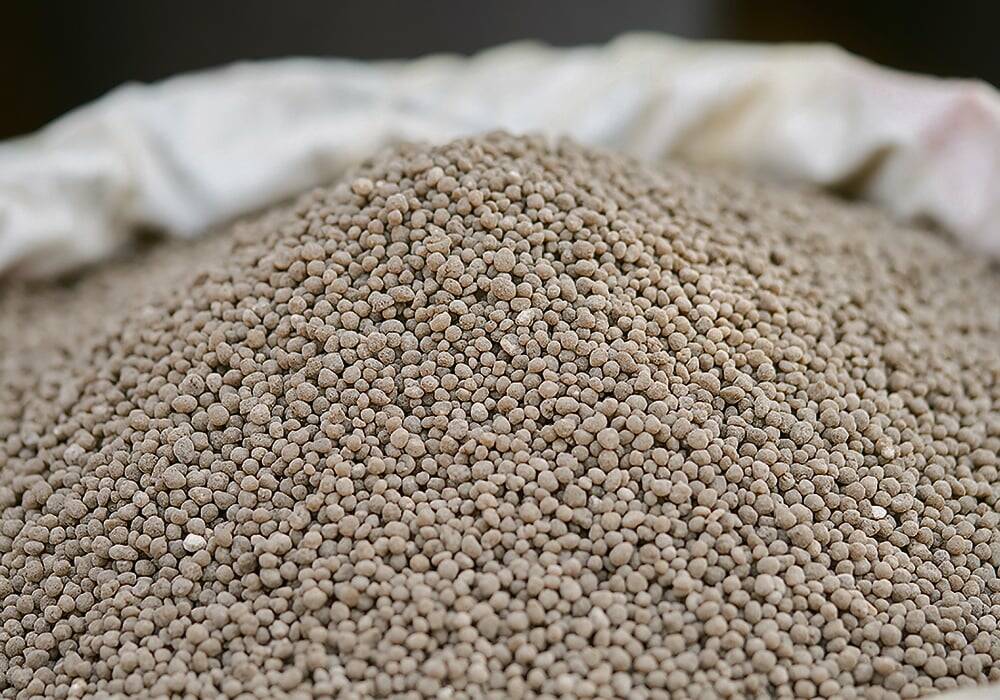
Demand for fertilizers has been under pressure as U.S. farmers cut nutrient use amid tight budgets, while an early onset of winter shortened the application window. Photo: Getty Images Plus.
Mosaic missed Wall Street expectations for fourth-quarter profit on Tuesday, hurt by a steep drop in U.S. phosphate demand that weighed on sales volumes.
Shares fell more than two per cent in extended trading.
The Tampa, Florida-based fertilizer producer warned in January that an unusually sharp decline in North American fertilizer demand during the quarter would pressure sales and cash flow.
Demand for fertilizers has been under pressure as farmers cut nutrient use amid tight budgets, while an early onset of winter shortened the application window.
Sales volumes in the Phosphates segment fell to 1.3 million tonnes from 1.6 million tonnes a year earlier, the company said.
Global shipments could reach record levels
Phosphate markets have tightened as Chinese exports remain largely absent after Beijing extended its phosphate export restrictions, Mosaic said, adding that it expects restrictions to stay in place through at least the first half of the year.
“Like phosphate, potash prices have shifted higher, and current expectations suggest global shipments could reach record levels in 2026,” Mosaic added.
The company said it expects full-year phosphate production volumes to be at or above 7 million tonnes and potash production volumes to be about 9 million tonnes.
Mosaic forecast first-quarter phosphate sales volumes of 1.7 million to 1.9 million tonnes and potash sales volumes of 2.0 million to 2.2 million tonnes.
It also forecast capital spending of about $1.5 billion (C$2.06 billion) for the year.
The company reported adjusted earnings of 22 cents per share for the quarter ended December 31, compared with analysts’ average estimate of 47cents per share, according to data compiled by LSEG.
— Reporting by Katha Kalia and Sumit Saha in Bengaluru