U.S. forecaster sees signs of La Niña shift towards El Niño conditions in early 2026
By Reuters
| 2 min read
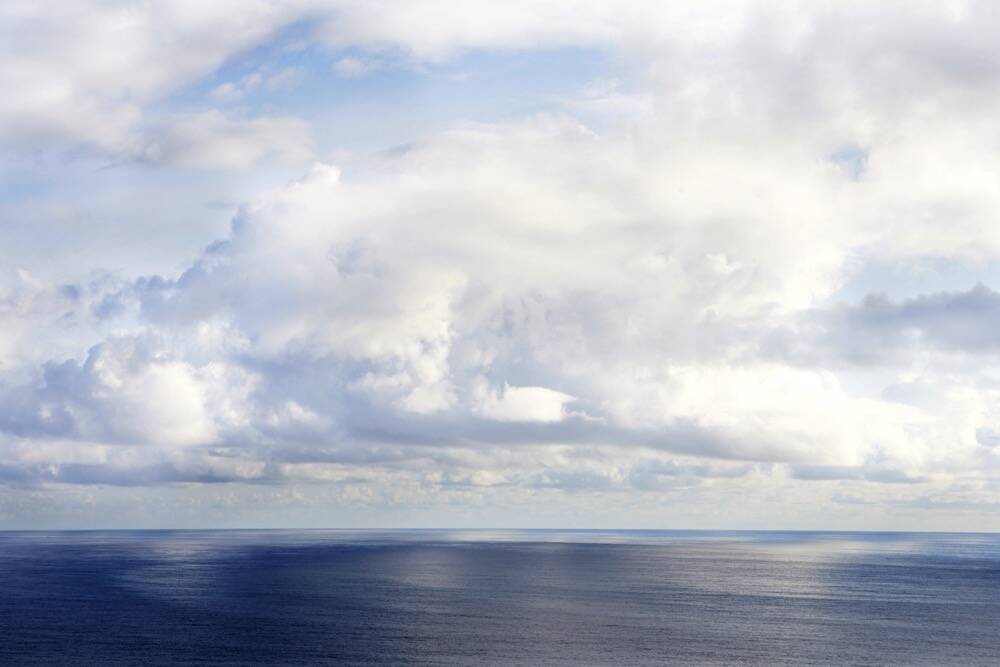
La Niña is part of the El Niño-Southern Oscillation climatic cycle, which affects water temperatures in the central and eastern Pacific Ocean. PHOTO: THINKSTOCK
There is a 60 per cent chance of a shift in the climate phenomenon known as La Niña towards El Niño in February-April 2026. This pattern, known as ENSO-neutral, likely to persist through the Northern Hemisphere summer, the U.S. Climate Prediction Center said on Thursday.
WHY IT MATTERS: When ENSO is neutral, water temperatures stay around the average level, leading to more stable weather.
“Atmospheric anomalies weakened due to subseasonal variability, but still reflected aspects of La Niña,” the U.S. weather forecaster said. “Low-level westerly wind anomalies were present over the western equatorial Pacific, and upper-level westerly wind anomalies continued across the east-central equatorial Pacific.”
La Niña is part of the El Niño-Southern Oscillation climatic cycle, which affects water temperatures in the central and eastern Pacific Ocean.
La Niña results in cooler water temperatures, increasing the chance of floods and drought, which can impact crops. When ENSO is neutral, water temperatures stay around the average level, leading to more stable weather and potentially better crop yields.
“There are signs that La Niña is weakening, and neutral ENSO conditions should return in the next couple of months,” said Jason Nicholls, lead international forecaster at AccuWeather, adding that a transition to El Niño conditions could begin in late spring.
“Drought conditions have started to appear in parts of southeast Australia and a transition to El Niño could lead to worsening drought conditions and issues for the next growing season,” Nicholls added.
“With the transition out of La Niña, this should equate to more rain in Argentina, and less rain in north-central Brazil. Also, less rain is likely in Southeast Asia as we go into summer if La Niña fades,” said Donald Keeney, agricultural meteorologist at Vaisala Weather.
Record heat and wildfires swept through the Southern Hemisphere at the start of 2026, with scientists predicting that even more extreme temperatures could lie ahead.