
Climate change linked to decline in food nutrition
| 2 min read
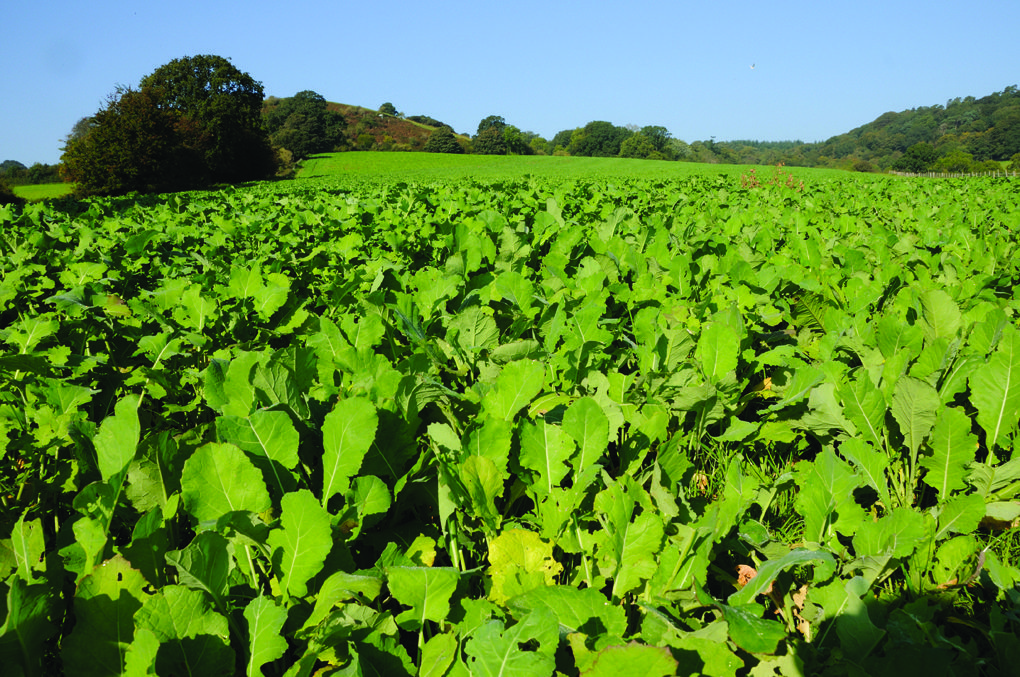
Kale is an increasingly popular vegetable for humans, but some varieties have animal feed potential as well. PHOTo: thinkstock
A combination of higher atmospheric CO2 and hotter temperatures contributes to a reduction in nutritional quality in food crops, says new research presented at the Society for Experimental Biology Annual Conference in Antwerp, Belgium.
While most research into climate change and food production has focused on crop yield, the size of the harvest means little if the nutritional value is poor, said the researchers.
“Our work looks beyond quantity to the quality of what we eat,” said Jiata Ugwah Ekele, a PhD student at Liverpool John Moores University, UK.
Ekele’s research focuses on exploring how the nutritional content of food crops may be affected by the interacting effects of rising CO2 levels and increasing temperatures associated with climate change. “These environmental changes can affect everything from photosynthesis and growth rates to the synthesis and storage of nutrients in crops,” said Ekele.
The researched focused on leafy vegetables, such as kale and spinach. The crops were grown in environment-controlled growth chambers, while CO2 and temperature levels were changed to simulate predicted future climate scenarios. Photosynthetic markers such as chlorophyll fluorescence and quantum yield were assessed as the crops grow, while yield and biomass were recorded at harvest.
Preliminary results suggest that elevated levels of atmospheric CO2 can help crops grow faster and bigger, but not necessarily healthier. “After some time, the crops showed a reduction in key minerals like calcium and certain antioxidant compounds,” said Ekele, noting that the changes were exacerbated by increases in temperature.
Different crops have responded differently to these climate change stressors, with some species reacting more intensely than others, highlighting that the results cannot be generalized across crops.
While higher C02 levels can increase the concentration of sugars in crops, it can dilute essential proteins, minerals and antioxidants.
“This altered balance could contribute to diets that are higher in calories but poorer in nutritional value,” said Ekele, adding “increased sugar content in crops, especially fruits and vegetables, could lead to greater risks of obesity and type 2 diabetes — particularly in populations already struggling with non-communicable diseases.”