NASA data could lead to better weather forecasts
Will help determine when to release water from reservoirs
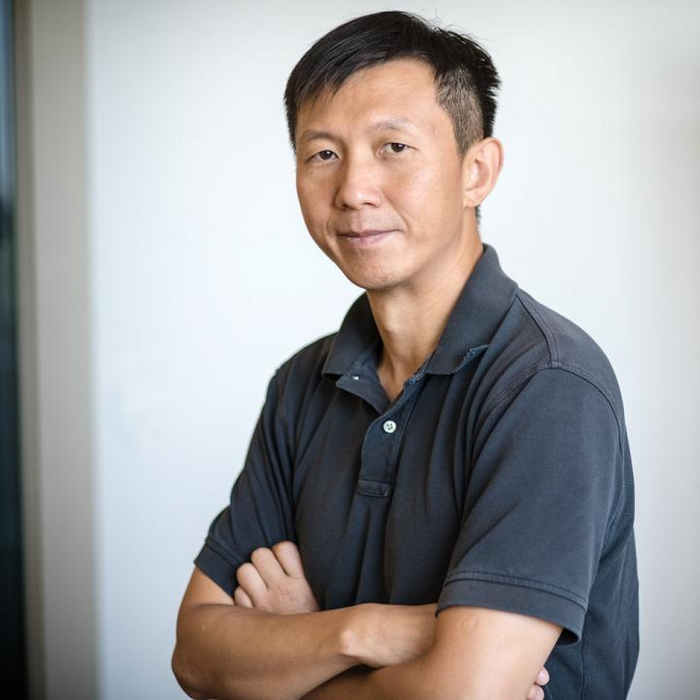
Yu Zhang will use a NASA grant to increase the accuracy of weather forecasts. (UT Arlington)
University of Texas at Arlington (WeatherFarm) – A University of Texas at Arlington civil engineering researcher is set to use a grant from the National Aeronautical and Space Administration to help forecasters better predict extreme weather events using a variety of existing NASA data sources.
Yu Zhang, associate professor in the Department of Civil Engineering, said the US$638,000 grant will use ocean circulation data, atmospheric conditions, and current weather information to make longer-range forecasting more reliable. Having a more accurate forecast could help officials make better decisions about Texas water resources, such as knowing when to release water from reservoirs.
“It takes two to three weeks for water released from reservoirs to travel from North Texas to the coast. Reservoir operators have to take that into account when releasing water up here because it has an impact south of us. We will determine if the data we have available can help us predict those events. We have to have a better forecast lead time,” Zhang said.
Subseasonal to Seasonal (S2S) is a range of forecast lead times associated with weather and climate forecasts. Currently, there is a gap in the capabilities of operational forecast systems that limits the accuracy of forecasts at the S2S range. A consortium of federal agencies, including the National Oceanic and Atmospheric Administration, has empowered NASA to place a high priority on improving S2S forecasts to address existing and emerging needs in various economic sectors, including water supply.
Typical weather forecasting spans 14-15 days, while climate forecasting generally is for the next three to six months under average conditions. Existing NASA data could help improve S2S forecasts.
“NASA wants to see how the data collected through existing missions can be used to improve forecasts to guide their future missions,” Zhang said.
He believes the new information his project produces could help determine the potential impacts of land surface temperature and soil moisture in the spring on the emergence and intensity of summertime droughts.
“Over the last 10 years, we’ve had more extreme weather events, and so we should be able to harness all that data to understand the contributions from land and ocean to the occurrence of these events,” Zhang said.