
Pollinators just as effective at night: study
More flexibility in pollinators for plants
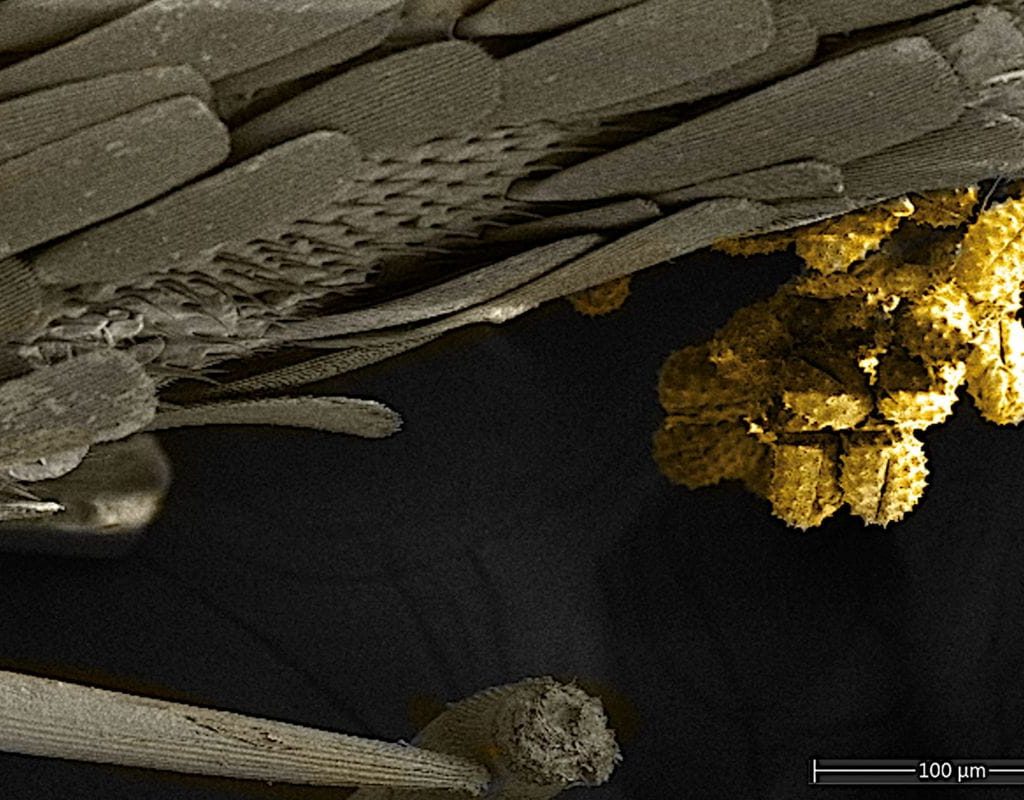
Lund University – Nighttime pollinators play just as significant a role as daytime species in 90 percent of the cases studied, says new research from Sweden’s Lund University.
Bats, moths, nocturnal butterflies and other nighttime pollinators receive less recognition for the important work they do. They also aren’t protected in the same way as their daytime counterparts.
In a global meta-analysis, published in the scientific journal Ecology Letters, the Lund University researchers showed that nocturnal pollinators appear to play an equally important role.
The researchers compiled data from 135 studies worldwide — all they could find in the field — and found that 90 percent of the 139 plant species examined had similar reproductive success, regardless of whether pollination occurred during the day or at night.
“We were definitely surprised by the number of plant species where it didn’t matter. We found this really fascinating because it’s easy to assume that a specific plant needs a specific pollinator. The analysis actually showed almost the opposite — there’s much more flexibility. A different pollinator than expected can contribute enough for a plant species to reproduce,” said Lund postdoctoral fellow Liam Kendall.
This global meta-analysis is the first of its kind, and the researchers argue that the study’s results raise questions about human biases in science. Kendall’s hypothesis is that many have likely been stuck in a certain idea of how pollination for a particular plant should occur. He also speculates whether the fact that most people are active during the day affects this — possibly causing us to overlook what happens at night.
“We have this idea that all the magic happens during the day, because that’s when we’re active, and that’s when we see bees and butterflies fluttering around flowers,” he added.
Given the pressure on biodiversity due to human activity, the researchers argue that their study highlights the importance of considering both nocturnal and daytime pollinators in agriculture and conservation.
“The analysis shows that we need to change the way we think about how environments can support pollinators and biodiversity,” he said.
If nighttime pollination is this important, it also becomes more crucial to avoid light pollution — that is, excessive or poorly placed lighting that disrupts the natural environment.
Other practices may also need to change.
“Actions are often taken to protect daytime pollinators, such as spraying pesticides at night. There’s an oversight there — sure, you’re protecting the daytime insects, but you’re also, theoretically, harming the nocturnal pollinators. This means we could be doing much more, but we haven’t thought enough about it so far, and more research is needed,” Kendall said.