
Rising carbon dioxide levels found in human body
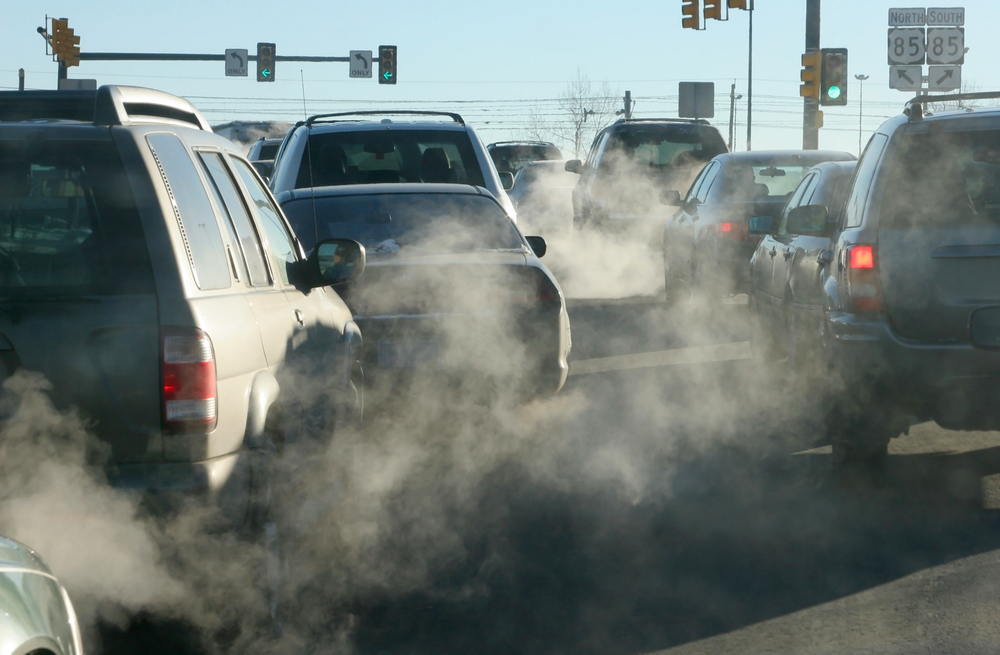
Two-thirds of voters in the last election cast their ballot for a party that supported or promoted a price on pollution. Photo: E+/Getty Images
The Kids Research Institute Australia – Australian scientists have released a study saying that rising carbon dioxide levels are not only reaching never-before-seen levels in the atmosphere, but could also reach a threshold in the human body.
Researchers from The Kids Research Institute, as well as from Curtin University in Perth and The Australian National University in Canberra, found shifts in blood chemistry that closely track the rise of atmospheric CO2.
The team used data from the United States National Health and Nutrition Examination Survey, examining blood test results from 7,000 people every two years between 1999 and 2020. Average levels of serum bicarbonate, a blood marker closely linked to carbon dioxide, increased by seven per cent since 1999.
“What we’re seeing is a gradual shift in blood chemistry that mirrors the rise in atmospheric carbon dioxide which is driving climate change,” study author Alexander Larcombe said. “If current trends continue, modelling indicates average bicarbonate levels could approach the upper limit of today’s accepted healthy range within 50 years.”
Larcombe also said calcium and phosphorus levels could reach the lower end of healthy ranges later this century.
While humans evolved in an atmosphere containing 280 to 300 parts per million of CO2, the average annual increase over the past decade has been 2.6 ppm.
“I actually think that what we are seeing is because our bodies are not adapting,” co-author Dr. Phil Bierwirth said. ““As CO2 in the air is now higher than humans have ever experienced, it appears to be building up in our bodies. Maybe we can never adapt such that it is vitally important to limit atmospheric levels of CO2.”
Larcombe said while people won’t suddenly feel unwell when their blood’s serum bicarbonate levels pass a certain point, there may be gradual physiological changes.
The study calls for atmospheric composition and population biomarkers to be tracked alongside traditional climate indicators to better understand how gradual environmental change may influence human biology over decades.