
UN reaches agreement on protecting biodiversity
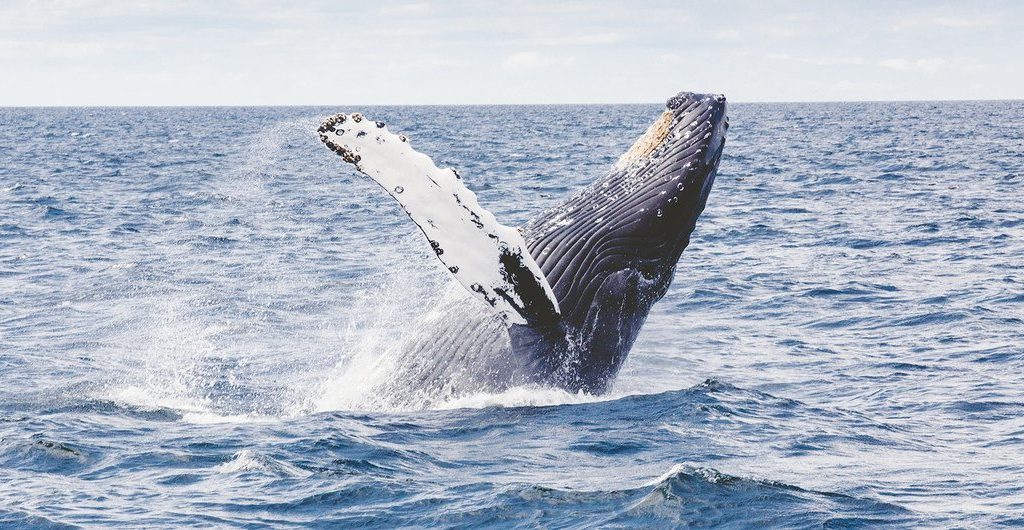
A whale in the ocean. Photo credit: Unsplash/Thomas Kelley.
United Nations – Delegates from the United Nations (UN) agreed on a new treaty in New York on March 4, which would create more protected areas for marine life and greater investments into ocean conservation.
“This action is a victory for multilateralism and for global efforts to counter the destructive trends facing ocean health, now and for generations to come,” said UN Secretary-General Antonio Guterres in a statement just hours after the deal was struck at UN Headquarters, where tough negotiations on the draft treaty have been under way for the past two weeks.
The agreement reached by delegates of the Intergovernmental Conference on Marine Biodiversity of Areas Beyond National Jurisdiction (BBNJ) is the culmination of UN-facilitated talks that began in 2004.
Already being referred to as the ‘High Seas Treaty’, the legal framework would place 30 per cent of the world’s oceans into protected areas, put more money into marine conservation, and covers access to and use of marine genetic resources.
Guterres said the treaty is crucial for addressing the triple planetary crisis of climate change, biodiversity loss and pollution.
“It is also vital for achieving ocean-related goals and targets of the 2030 Agenda for Sustainable Development, and the Kunming-Montreal Global Biodiversity Framework,” he said in the statement, referring to the so-called ‘30×30’ pledge to protect a third of the world’s biodiversity – on land and sea – by 2030 made by a historic UN conference in Montreal this past December.
Noting that the BBNJ decision builds on the legacy of the UN Convention on the Law of the Sea (UNCLOS), the Secretary-General commended all parties for their ambition, flexibility and perseverance, and saluted Ambassador Rena Lee, of Singapore, for her leadership and dedication.
“Ladies and gentlemen, the ship has reached the shore,” Lee said last night, announcing the agreement to an extended standing ovation in the meeting room. Delegations will reconvene later to formally adopt the text.
The Secretary-General also recognized the critical support of non-governmental organizations, civil society, academic institutions and the scientific community.
“(I look) forward to continue working with all parties to secure a healthier, more resilient, and more productive ocean, benefiting current and future generations,” the statement concluded.
Reacting on Twitter, Csaba Kőrösi, President of the 77th session of the UN General Assembly, also congratulated the delegates and Lee for reaching consensus on a global legal framework for the high seas.
“This is a massive success for multilateralism. An example of the transformation our world needs and the people we serve demand,” he added.